
Late updated: 24 Dec 2025 11:12
Written by: Sarah Hollister
Sustainable Living Tips For Urban Families: Practical Strategies For A Greener Home
Sustainable living for urban families is more important than ever. As city dwellers, we face unique challenges but also have incredible opportunities to make impactful choices. By adopting eco-friendly practices, we can reduce our environmental impact, lead healthier lives, and create a thriving future for our families.
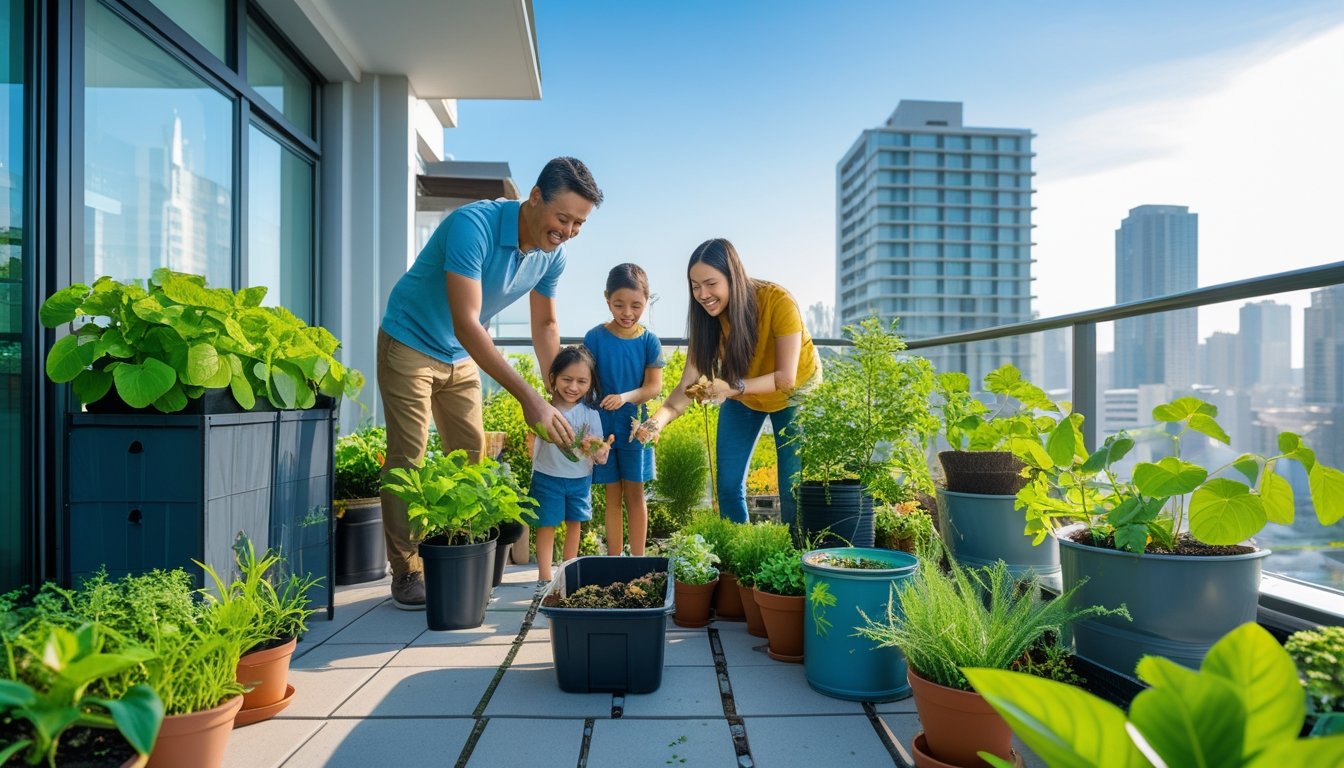
Urban environments often present obstacles like lack of green spaces and higher energy consumption. Yet, with a few smart strategies, we can transform our homes into eco-friendly havens and connect with our communities to foster a culture of sustainability.
Our journey towards sustainable living not only benefits the environment but significantly enhances our quality of life. Whether it’s through reducing waste, conserving energy, or choosing sustainable transport options, each step contributes to a greener future for us and our cities.
Key Takeaways
- Urban families can reduce environmental impact with eco-friendly practices.
- Sustainable living creates healthier, greener living spaces.
- Community efforts amplify the impact of sustainable choices.
Fundamental Sustainable Living Practices for Urban Families
In the hustle and bustle of city life, families can adopt several sustainable practices to reduce their environmental impacts. These changes can lead to energy savings, reduce waste through recycling strategies, and promote sustainable shopping methods.
Energy-Efficient Home Improvements
Improving energy efficiency in our homes is a priority. Energy-efficient appliances reduce electricity use significantly. Swapping out traditional bulbs for LED bulbs is an easy start; they use up to 80% less energy and last longer. Installing smart thermostats helps regulate home temperatures efficiently, saving both energy and money. Incorporating solar panels or wind turbines, where feasible, taps into renewable energy sources, further reducing our carbon footprints. We should also consider installing smart power strips to cut power consumption when devices are not in use. Simple practices like unplugging devices make a big difference too.
Waste Reduction and Recycling Strategies
Reducing waste is crucial in crafting a sustainable urban lifestyle. By focusing on waste management, we can effectively lower our waste generation. One effective method is composting organic waste, which not only reduces landfill use but also enriches soil. Using recycling bins properly allows us to repurpose materials, reducing the need for raw materials. We should also embrace upcycling, which transforms waste into valuable items. Our daily routines benefit from avoiding single-use plastics; instead, we should opt for reusable products like reusable bags. These practices lessen pollution and conserve resources.
Mindful Consumption and Eco-Friendly Shopping
Incorporating mindful consumption helps reduce our environmental impacts. We should seek out sustainable brands that prioritise ethical production. Changing our purchasing habits to include more eco-friendly and reusable products supports a sustainable lifestyle. When shopping, opting for local and seasonal goods minimises carbon emissions related to transportation. Participation in community clean-up events also enhances our connection to sustainability efforts. By committing to a sustainable living approach, we not only positively impact the environment but also foster a healthier lifestyle for our families.
Urban Green Living and Sustainable Food Choices
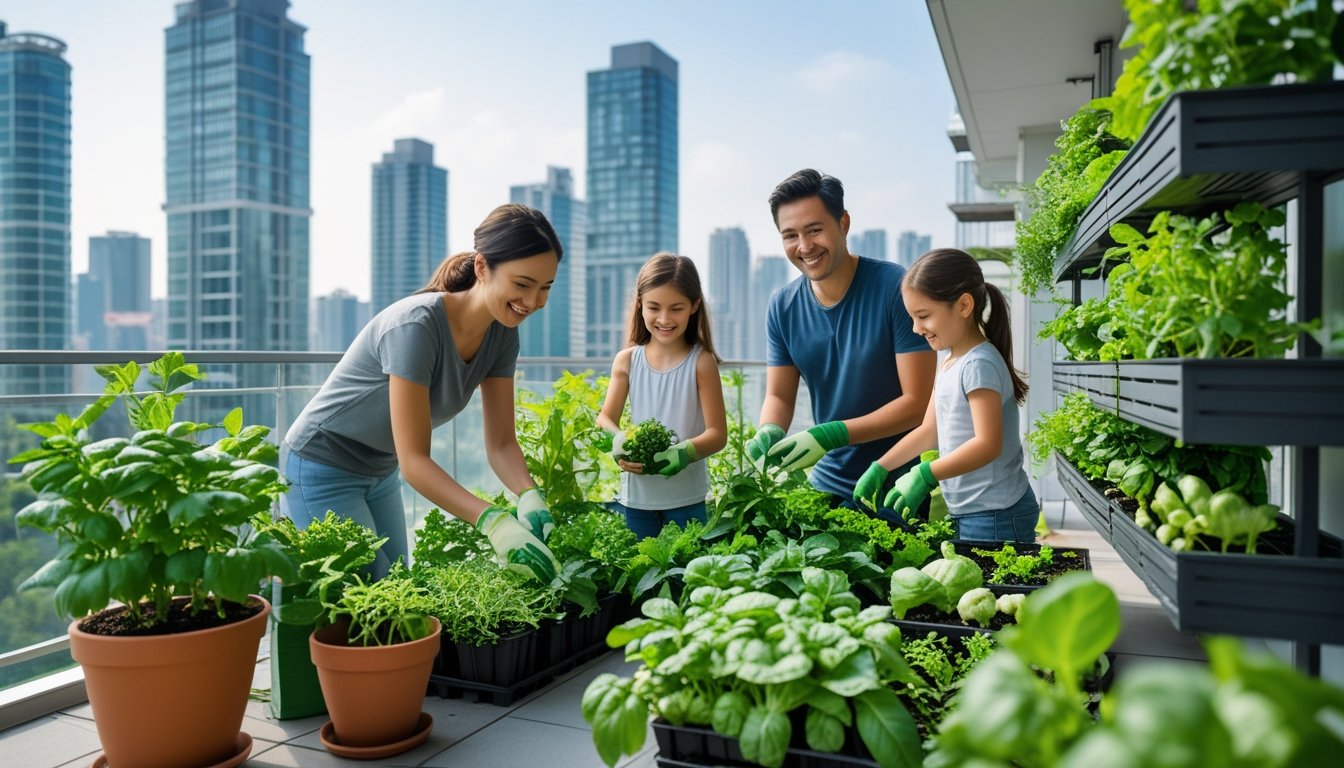
Urban living presents unique opportunities for creating green spaces and making sustainable food choices. By focusing on indoor gardening, sustainable commuting, and local eating habits, we can enhance our urban environment and promote healthier lives.
Indoor Gardening and Green Spaces
Transforming our living spaces into urban oases not only beautifies our homes but improves our health. Indoor gardening can make a significant impact by boosting air quality. Spider plants and snake plants are excellent air-purifying plants that reduce volatile organic compounds (VOCs). Incorporating vertical gardens or small balcony gardens maximises the limited space available in urban settings. Container gardening with herbs like basil and mint is perfect for kitchens, providing fresh ingredients and enhancing meals with seasonal produce. Community gardens invite us to engage with our neighbours, fostering biodiversity and environmental stewardship. By embracing natural materials and maximising natural light, we create inviting and sustainable atmospheres that encourage wellbeing and ecological balance.
Sustainable Commuting and Mobility
Adopting eco-friendly commuting solutions is vital for urban sustainability. Promoting public transport and carpooling reduces our carbon footprint. Cycling and walking are fantastic options for short distances. They not only minimise emissions but also enhance our health. Electric vehicles play a key role in lowering urban pollution, offering a cleaner alternative to traditional cars. Urban planners are increasingly incorporating bike lanes and pedestrian zones to encourage such practices. The integration of public transport systems is crucial for reducing traffic congestion and improving urban air quality. Emphasising sustainable commuting promotes environmental conservation and contributes to a greener future for our cities.
Local and Seasonal Eating in the City
Supporting local food systems and consuming seasonal produce benefits both the environment and our wallets. Farmers’ markets are treasures in urban areas, offering fresh produce directly from local farms. We can enjoy the bounty of local ecosystems while supporting regional agriculture. Upcycling and using natural cleaning products further reduce waste associated with our food choices. Embracing seasonal eating means aligning with the natural harvest cycles, which often results in better flavour and nutrition. By choosing sustainably sourced ingredients, we’re engaging in environmental stewardship. Our food choices become a way to connect with the local community and support urban sustainability.
Frequently Asked Questions
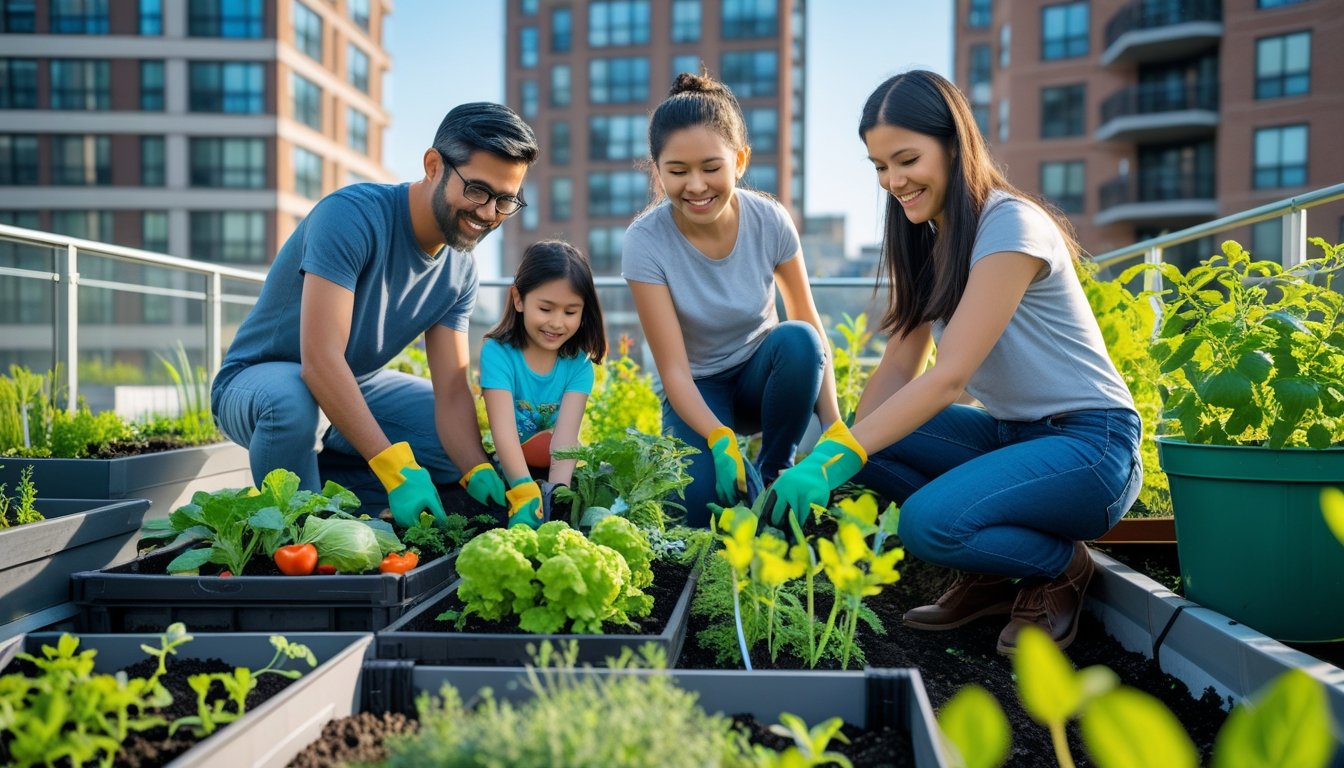
In the context of sustainable living, urban families can take numerous steps to lessen their environmental impact. Here, we delve into specific strategies for energy conservation, waste management, water conservation, sustainable food practices, eco-friendly transportation, and improving air quality.
How can urban families reduce their energy consumption at home?
Urban families can cut energy use by investing in energy-efficient appliances and adopting habits like turning off lights and electronics when they're not in use. Utilising natural light during the day and installing smart thermostats for efficient heating and cooling are also effective strategies.
What are effective ways to manage waste in a city household?
Managing waste begins with reducing it. Families can compost food scraps and recycle materials like paper, plastic, and glass. Choosing products with minimal packaging and reusing items where possible also contributes significantly to waste reduction.
Could you provide tips for conserving water in an apartment setting?
Water conservation is crucial in urban settings, where resources may be limited. Installing low-flow taps and showerheads can drastically reduce water usage. Collecting rainwater for plants and being mindful of water consumption while washing dishes can help conserve resources.
How can families living in cities contribute to local food sustainability?
Families can support local food systems by buying from farmers' markets and opting for seasonal produce. Participating in or starting an urban garden provides fresh produce right at home and fosters community involvement in food sustainability.
What are the best strategies for eco-friendly transportation in urban areas?
Utilising public transport, cycling, or walking reduces reliance on personal vehicles. Carpooling with neighbours or car-sharing services when necessary can also decrease carbon emissions, making travel more sustainable.
What steps should urban families take to improve indoor air quality?
Improving indoor air quality is vital for health and comfort. Ventilating spaces regularly and keeping houseplants like snake plants and spider plants can filter air naturally. Minimising the use of chemical-heavy cleaning products further enhances air quality.