
Late updated: 14 Dec 2025 15:12
Written by: Sarah Hollister
How To Create An Eco-Friendly Vegetable Garden: A Comprehensive Guide
Creating an eco-friendly vegetable garden is not only a rewarding pursuit but also a commitment to sustainable living. By making simple yet impactful changes, we can significantly reduce our environmental footprint while enjoying fresh, home-grown produce. The key to creating an eco-friendly vegetable garden lies in adopting sustainable practices such as using organic soil, conserving water, and selecting organic seeds.
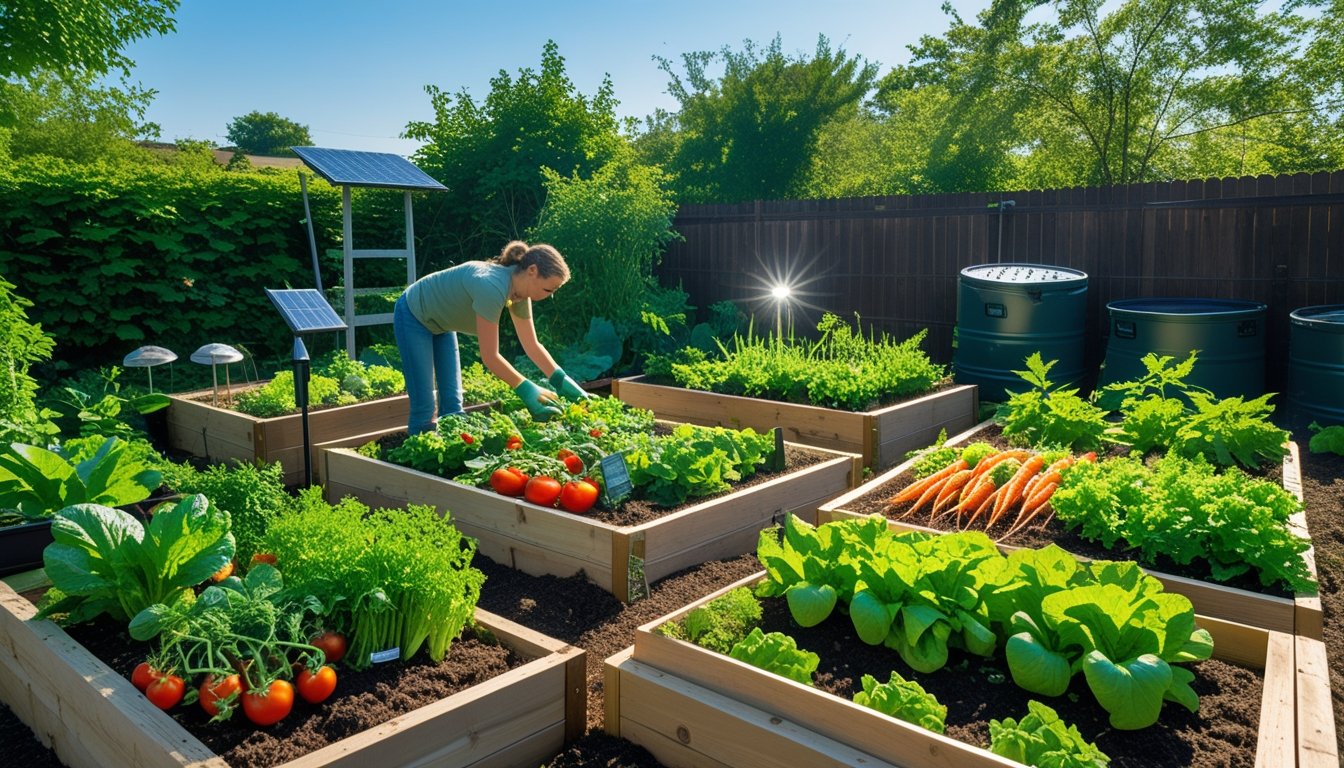
As we embark on this journey, planning is critical. We need to choose the right location for our garden, considering factors like sunlight, soil composition, and proximity to water sources. It's about designing spaces that support both plant life and local wildlife, ultimately leading to a thriving, balanced ecosystem.
A well-thought-out garden utilises recycled materials, companion planting, and efficient irrigation methods to promote sustainability. These practices not only enhance the beauty of the garden but also ensure it contributes positively to our environment. The satisfaction of knowing we’re cultivating a garden that is both lush and kind to the planet is unparalleled.
Key Takeaways
- Utilise sustainable practices for an eco-friendly vegetable garden.
- Plan carefully to create a balanced ecosystem.
- Implement recycling and efficient methods in garden design.
Foundational Eco-Friendly Vegetable Garden Planning
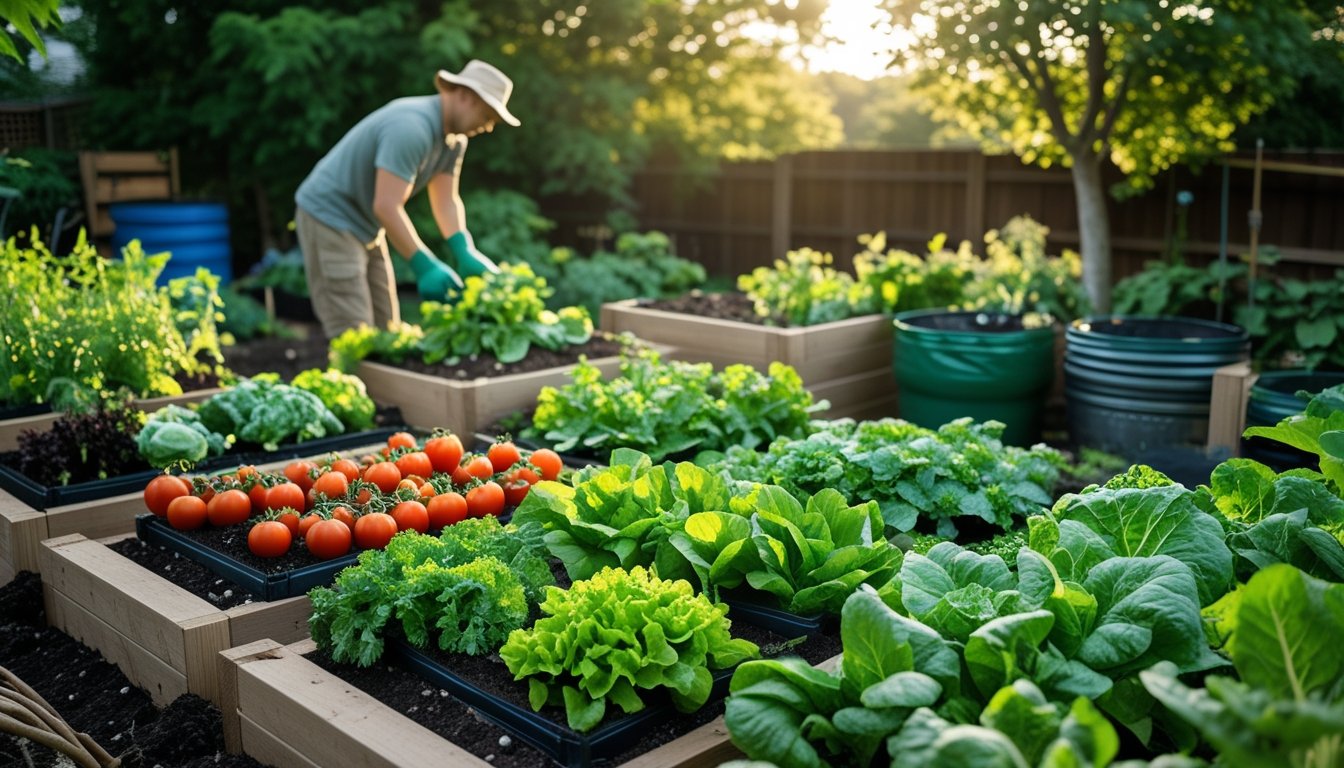
To build an environmentally friendly vegetable garden, we must consider several foundational aspects. Selecting an optimal location, using sustainable materials for beds and containers, and integrating native plants for biodiversity are key steps. Let us explore these elements in detail.
Selecting the Optimal Location and Layout
Choosing the right location is the backbone of our garden's success. The area should receive plenty of sunlight, ideally 6-8 hours a day, to support healthy plant growth. Establishing a north-south orientation allows for even exposure to the sun. Beyond sun exposure, assessing soil quality is crucial; amending it with compost can enhance nutrient availability.
Strategically planning our garden layout optimises space while reducing resource use. Patterns like square-foot gardening can efficiently increase our yield in limited space. This method segments the garden into small, manageable plots, making big impacts even in urban environments. Raised rows or spirals around a central point can provide visual interest and practicality, making the most of available area.
Choosing Eco-Friendly Raised Beds and Containers
Raised beds offer significant benefits, including improved drainage and soil compaction prevention. By utilising materials like untreated wood or recycled plastic, we lessen our environmental footprint. These sustainable materials endure varied weather conditions without leaching harmful chemicals into the soil.
In small spaces, containers can be a fantastic alternative. Selecting compostable or reusable materials contributes positively to the environment. Using pots made from coir or bamboo provides durability and elegance while avoiding plastic waste. Ensuring these containers have adequate drainage will prevent root rot, keeping plants healthy.
Vegetable Garden Planning for Small Spaces
Maximising productivity in small spaces starts with innovative design. Vertical gardening is a game-changer; it saves space while enhancing the aesthetic appeal. We might consider trellises for climbing vegetables like beans and cucumbers, which add dimension and increase possible plantings per square metre.
Interplanting is another small-space strategy, where fast-growing crops like salad greens and lettuce coexist with slower ones. This technique optimises every bit of space and helps manage harvest times more effectively. Community gardening initiatives can also assist us in pooling resources and space, promoting shared harvests and knowledge.
Incorporating Native Plants and Biodiversity
Incorporating native plants into our vegetable garden plays a vital role in maintaining biodiversity. Native species are adapted to the local climate and soils, often requiring fewer resources and less maintenance. They create habitats for beneficial insects, enhancing the garden ecosystem.
Native plants, such as local wildflowers, can be interspersed between vegetable rows. This attracts pollinators and manages pests naturally. Adding features like bee hotels, birdhouses, or bat boxes further enriches biodiversity. These structures invite helpful creatures like pollinating bees, vibrant birds, and insect-controlling bats, enhancing the garden's vitality.
Through careful planning that respects ecosystems and optimises resources, we can create a thriving, sustainable vegetable garden.
Key Sustainable Practices for an Eco-Friendly Vegetable Garden
Creating an eco-friendly vegetable garden involves a diverse approach to sustain both the garden and the environment. Central to this is the focus on chemical-free soil management, water conservation, organic mulching, and nature-based pest control methods.
Building and Maintaining Healthy Soil Without Chemicals
We start by enhancing our soil's health through natural means. Composting is at the heart of this process, transforming kitchen and garden waste into nutrient-rich compost. It is crucial for improving soil structure, promoting efficient drainage, and enhancing fertility. Using organic amendments like worm castings and fish emulsion can further enrich the soil. Incorporating cover crops or green manure helps stabilise the soil and boost its nutrient content naturally. For those considering composting, a compost bin aids in managing materials effectively, promoting decomposition. Using compost and other organic matter, we can build a robust soil ecosystem without relying on synthetic fertilisers or chemical interventions.
Eco-Conscious Water Conservation and Irrigation Methods
Efficient water use is vital to maintaining an eco-friendly garden. Implementing drip irrigation systems or soaker hoses helps minimise water waste by delivering moisture directly to plant roots. We can collect rainwater using rain barrels, which is a sustainable source for irrigation without tapping into municipal supplies. Fine-tuning our watering schedules to avoid the hottest parts of the day reduces evaporation and conserves this precious resource. By carefully monitoring our water usage and employing these methods, we maintain lush, thriving gardens while respecting our natural water resources.
Organic Mulching and Soil Health Strategies
Organic mulching plays an essential role in protecting and enriching the garden soil. By applying organic mulch such as leaf mulch or natural mulch from local materials, we can regulate soil temperature, retain moisture, and suppress weed growth. It also gradually decomposes, contributing to soil biodiversity and fertility. Mulching complements strategies like crop rotation and succession planting, ensuring that the soil remains healthy and productive. Implementing these techniques helps us create an environment that supports vigorous plant growth and reduces our dependence on chemical solutions.
Natural Approaches to Pest and Disease Control
We focus on natural pest management, fostering a balanced ecosystem that aids in controlling pests. Techniques like companion planting—growing tomatoes with basil, for example—naturally deter pests. Encouraging beneficial insects such as ladybugs, bees, and butterflies, as well as planting marigolds and nasturtiums, can enhance pest control naturally. Additionally, using neem oil or homemade solutions avoids the need for harmful chemical pesticides. By developing garden spaces with diverse plant life and insect habitats, we rely less on artificial solutions and more on the resilient systems nature provides.
Frequently Asked Questions
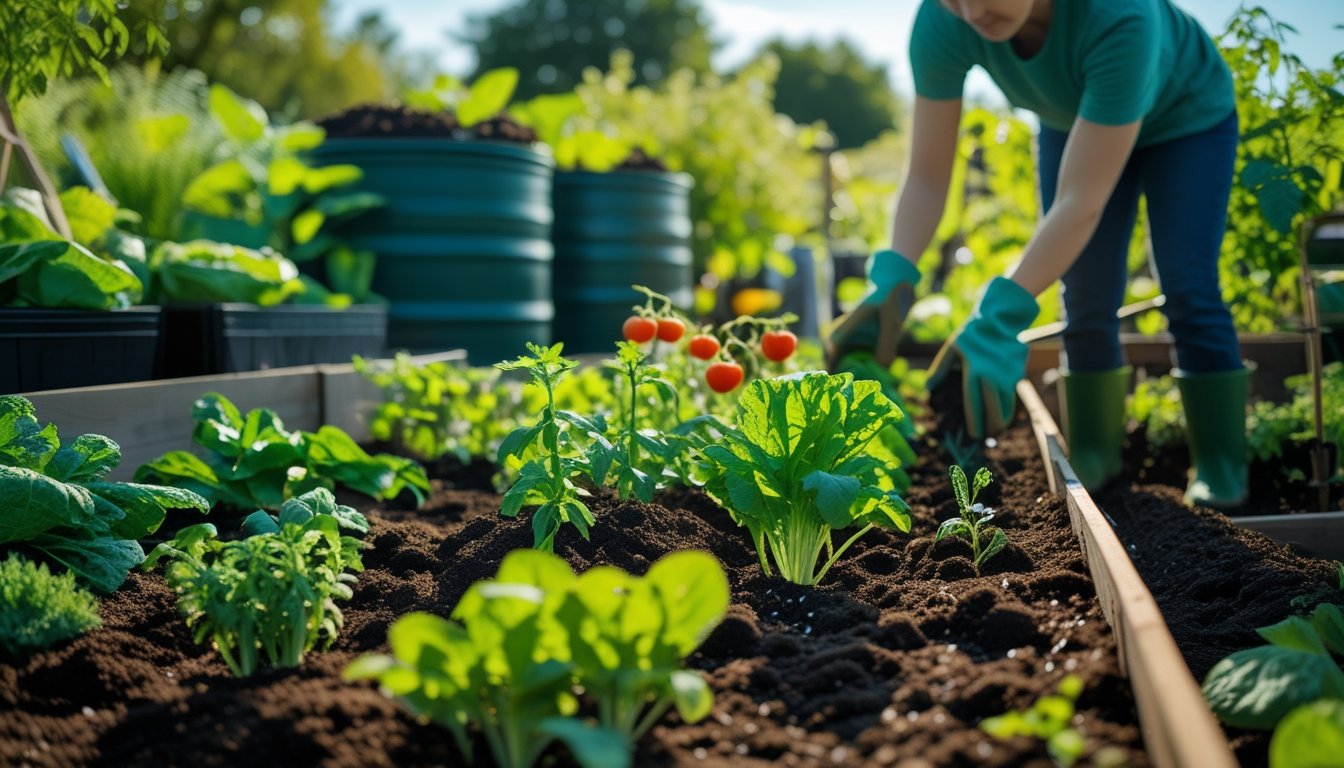
Creating an eco-friendly vegetable garden involves methods such as composting, choosing sustainable vegetables, conserving water, and using natural pest control. These practices support a biodiverse ecosystem and enhance soil health without synthetic chemicals.
What are the best methods for composting in a home vegetable garden?
We can utilise kitchen scraps and yard waste to create nutrient-rich compost for our gardens. Compost piles or bins work well when layered with brown and green materials, like dry leaves and vegetable peels. Regular turning helps aerate the soil, speeding up decomposition.
Which types of vegetables are most sustainable to grow in various climates?
Some vegetables adapt better to specific climates, making them more sustainable choices. For temperate zones, root vegetables like carrots and potatoes thrive, while warmer areas are ideal for tomatoes and peppers. By selecting climate-appropriate crops, we reduce resource usage.
How can one implement water conservation practices in a domestic garden?
Water conservation is crucial, and we can achieve this by installing rain barrels to collect and store rainwater. Drip irrigation systems and mulching help retain soil moisture and direct water efficiently to the plant roots, minimising waste and promoting healthy growth.
What are effective natural pest control solutions for vegetable gardens?
Natural pest control can be achieved through methods such as introducing beneficial insects like ladybirds. We can also use neem oil or garlic sprays as deterrents. Planting herbs like basil and mint can repel pests due to their strong scents.
What techniques can be used to ensure soil health without chemical fertilisers?
To maintain soil health, we might incorporate organic matter such as compost and green manure. Crop rotation prevents nutrient depletion and break disease cycles, while cover crops protect against erosion and improve soil structure. These practices foster a chemically-free environment.
Can you recommend companion planting strategies for a biodiverse vegetable garden?
Companion planting involves pairing plants that benefit each other. For instance, pairing beans with corn maximises nitrogen fixation, while marigolds can deter nematodes and protect tomatoes. By strategically organising plant arrangements, we can boost productivity and biodiversity.