
Late updated: 03 Jan 2026 10:01
Written by: Sarah Hollister
Innovative Approaches To Backyard Wildlife Conservation: Effective Strategies And Tips
As urbanisation continues to expand, our backyards offer a vital opportunity to support local wildlife and biodiversity. By incorporating innovative approaches to backyard wildlife conservation, we can transform our green spaces into thriving ecosystems. Simple actions such as planting native species, creating water features, and installing bird feeders can have a substantial impact.

Utilising sustainable practices and engaging with our communities enhances the effectiveness of our efforts. Technology can play a role too, with tools like motion-activated cameras allowing us to observe and learn about visiting creatures without disturbing them. Our backyards thus become not only sanctuaries for wildlife but also spaces for education and connection with nature.
We have the power to influence wildlife conservation directly from our homes. As we explore these innovative strategies, it is essential to consider the broader community efforts and policies that support sustainability and biodiversity. This journey not only helps our local wildlife flourish but enriches our own lives with the beauty and diversity of nature.
Key Takeaways
- Backyard spaces can support local wildlife with simple actions.
- Technology and sustainable practices enhance conservation efforts.
- Personal and community initiatives help preserve biodiversity.
Innovative Strategies for Backyard Wildlife Conservation
Conserving wildlife in our backyards can greatly improve biodiversity and create dynamic ecosystems. Using native plants and advanced technology, we can design inviting habitats, establish wildlife corridors, and integrate innovative monitoring techniques to boost species recovery and address habitat fragmentation.
Designing Wildlife Habitats Using Native Plants and Features
Native plants are vital in backyard conservation as they support local wildlife and maintain ecological balance. When creating wildlife habitats, incorporating plants like coneflowers and black-eyed Susans can attract pollinators and beneficial insects. These plants provide essential resources, such as nectar and pollen. A butterfly garden filled with host plants for caterpillars fosters insect life cycles, enhancing genetic diversity within local species.
Adding elements like birdhouses and brush piles creates shelter and nesting opportunities for birds and small mammals. Implementing a rain garden not only manages water efficiently but also enriches soil health. This approach is critical in supporting biodiversity and enabling natural pest control.
Integrating Technology for Wildlife Monitoring and Protection
Incorporating technology into backyard wildlife conservation plays a significant role in monitoring and protecting species. Tools like GPS tracking and camera traps allow us to observe animal behaviour and movement without intrusion. These technologies let us gather data on species activity, helping identify trends and potential threats to wildlife.
Remote sensing and aerial surveillance offer valuable insights into habitat health and fragmentation. Using these tools, we can track changes in landscape and detect environmental challenges, guiding informed conservation decisions. By adopting innovative monitoring techniques, we contribute to habitat restoration and ensure the protection of diverse species.
Creating Wildlife Corridors and Addressing Habitat Fragmentation
Addressing habitat fragmentation is essential to fostering connectivity between isolated wildlife populations. Creating wildlife corridors in our gardens serves as safe passageways for animals, enhancing their movement and access to resources. Corridors can mitigate the impacts of habitat loss by linking small patches of vegetation, aiding in species recovery.
Incorporating protected areas and supportive vegetation within these corridors provides crucial resources for animals. Restoration ecology focuses on re-establishing these connections, supporting genetic diversity and long-term sustainability. By designing effective wildlife corridors, we help preserve ecosystem functions and promote thriving wildlife communities in our backyard.
Community Engagement, Policy, and Sustainable Practices

Engaging local communities and integrating sustainable practices are pivotal in backyard wildlife conservation. Drawing on community knowledge through citizen science and adapting policies can lead to effective protection of biodiversity and tackle challenges such as climate change and the illegal wildlife trade.
Empowering Community Involvement and Citizen Science
Citizen science represents a promising avenue for involving communities in conservation efforts. By mobilising residents to partake in data collection and monitoring species, we harness local knowledge and elevate conservation strategies. Awareness campaigns play a critical role in educating communities about the importance of biodiversity and endangered species recovery. Together, conservation practitioners and communities can develop a stewardship ethic that encourages ecological responsibility.
Community engagement fosters a sense of ownership, making residents more invested in outcomes. This grassroots participation not only aids in pollution control and climate adaptation but ensures lasting changes in conservation practices. Our efforts to protect biodiversity find strength in these collective actions, rooted in the shared commitment to the environment.
Promoting Sustainable Land-Use and Eco-Tourism
Proper land management, incorporating eco-friendly practices, is essential for maintaining healthy ecosystems. Sustainable land-use practices help preserve vital habitats, minimising the impact of human activities on wildlife. By balancing ecological needs with human development, we prevent the further fragmentation of habitats critical to species recovery.
Eco-tourism offers another opportunity to influence positive change. By promoting eco-friendly travel and emphasising the preservation of natural landscapes, local economies can benefit while supporting conservation goals. Attractions like national parks should implement measures to minimise environmental impact and educate visitors about the importance of protecting native species. These strategies can form a robust framework to address challenges like habitat loss and pollution.
Advancing Policy, Legislation and International Collaboration
Legislation and policy play a fundamental role in shaping conservation outcomes. By enacting robust environmental laws and regulations, governments can mitigate threats to endangered species and bolster biodiversity. Such policies may address challenges posed by the illegal wildlife trade, pollution, and unsustainable practices.
International collaboration enhances these efforts, facilitating knowledge exchange and coordinated action on a broader scale. Participation in frameworks like the Convention on Biological Diversity fosters global cooperation in addressing pressing ecological issues. Through these shared commitments, we can establish effective conservation strategies that transcend national boundaries and support climate change mitigation.
Collectively, these approaches form a comprehensive strategy that aligns community interests with broader conservation goals. By reinforcing local involvement, promoting sustainable practices, and advancing policy measures, we cultivate an environment where both nature and communities thrive.
Frequently Asked Questions
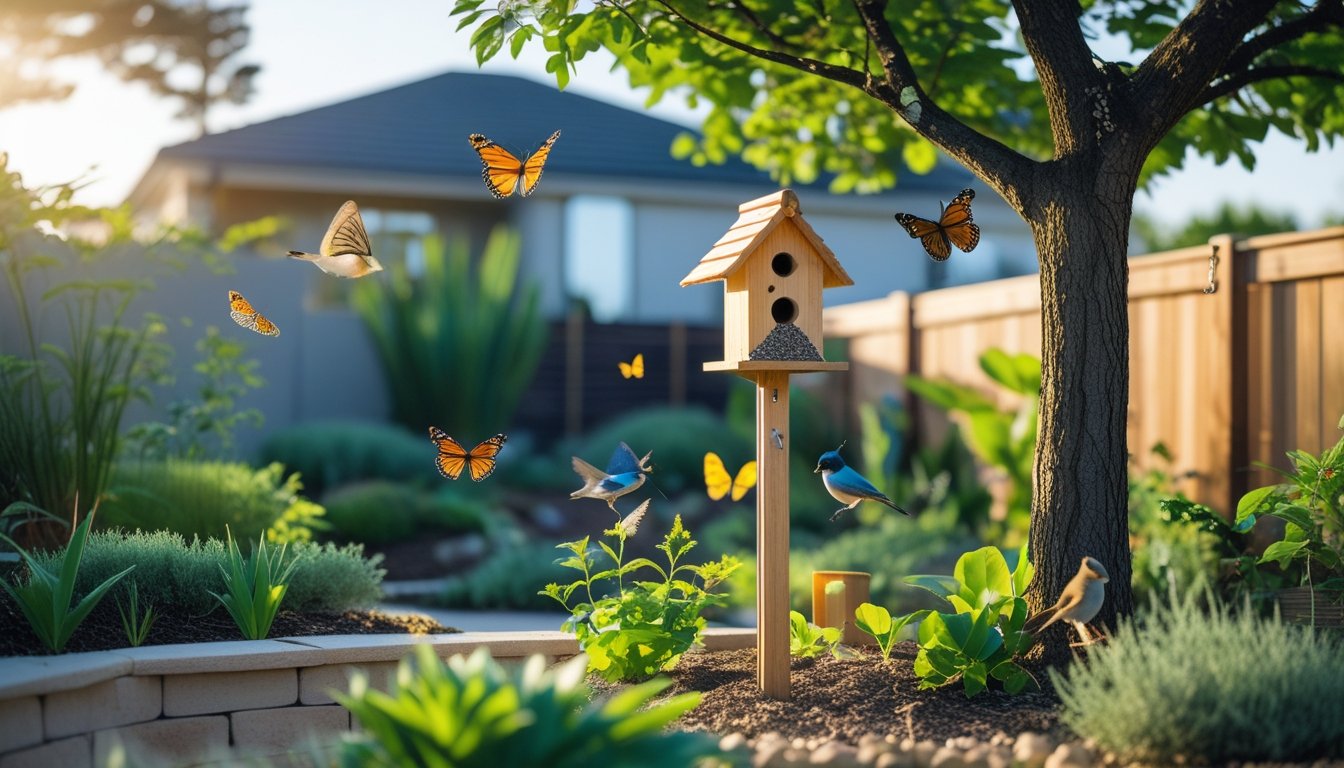
In our exploration of backyard wildlife conservation, we tackle essential aspects such as attracting native species, balancing pest management with conservation, and integrating water features. Additionally, we focus on selecting the best native plants and employing strategies to monitor conservation impacts.
What are the most effective methods for attracting native wildlife species to urban gardens?
To create a welcoming environment for native species, we can start by planting local flora that offers food and shelter. Incorporating diverse layers of vegetation mimics natural habitats and provides different species with the resources they need. Birdhouses, feeders, and insect hotels can enhance this environment, offering additional nesting and feeding opportunities.
How can one balance pest management with wildlife conservation in their backyard?
Pest management and wildlife conservation can go hand in hand by prioritising eco-friendly methods. Using natural predators like ladybirds for aphids or encouraging bats to control insect populations helps maintain ecological balance. Avoiding chemical pesticides protects beneficial species, while manual removal of pests offers a targeted approach.
Which types of native plants are best for supporting local biodiversity in residential areas?
Selecting native plants that thrive in our specific regions supports local wildlife by providing essential resources like nectar, seeds, and habitat. For instance, flowering plants attract pollinators, while fruit-bearing shrubs offer food to birds. We should also consider seasonal variations to ensure year-round support for local fauna.
What role do water features play in urban wildlife habitats, and how can they be implemented responsibly?
Water features, such as small ponds or birdbaths, serve as vital resources for drinking and bathing. They attract a variety of species, including birds, amphibians, and insects. When implementing these features, it's crucial to maintain them by keeping the water clean and ensuring they blend naturally into the garden ecosystem.
How can individual households monitor and document the impact of their conservation efforts on local wildlife populations?
We can monitor our backyard conservation efforts by keeping regular records of the species visiting our gardens. Photography, note-taking, and using citizen science platforms assist in tracking biodiversity changes. Engaging with local conservation groups can also provide insights and support for our monitoring activities.
What strategies can be employed to safely coexist with urban wildlife while minimising human-wildlife conflicts?
To minimise conflicts with urban wildlife, we should secure rubbish bins to deter scavengers and prevent access to pet food. Educating household members about respecting and understanding wildlife behaviour is also beneficial. Employing humane deterrents like motion-activated lights can help maintain a harmonious coexistence.