
Late updated: 31 Dec 2025 11:12
Written by: Sarah Hollister
Circular Economy Practices For Home Sustainability: A Guide to Eco-Friendly Living
As the world shifts towards sustainability, the circular economy offers a powerful approach to reducing waste and conserving resources in our homes. By adopting practices that minimise waste and keep materials in use, we can transform our households into eco-friendlier spaces. Embracing a circular economy at home not only benefits the environment but also offers potential savings and a healthier lifestyle.
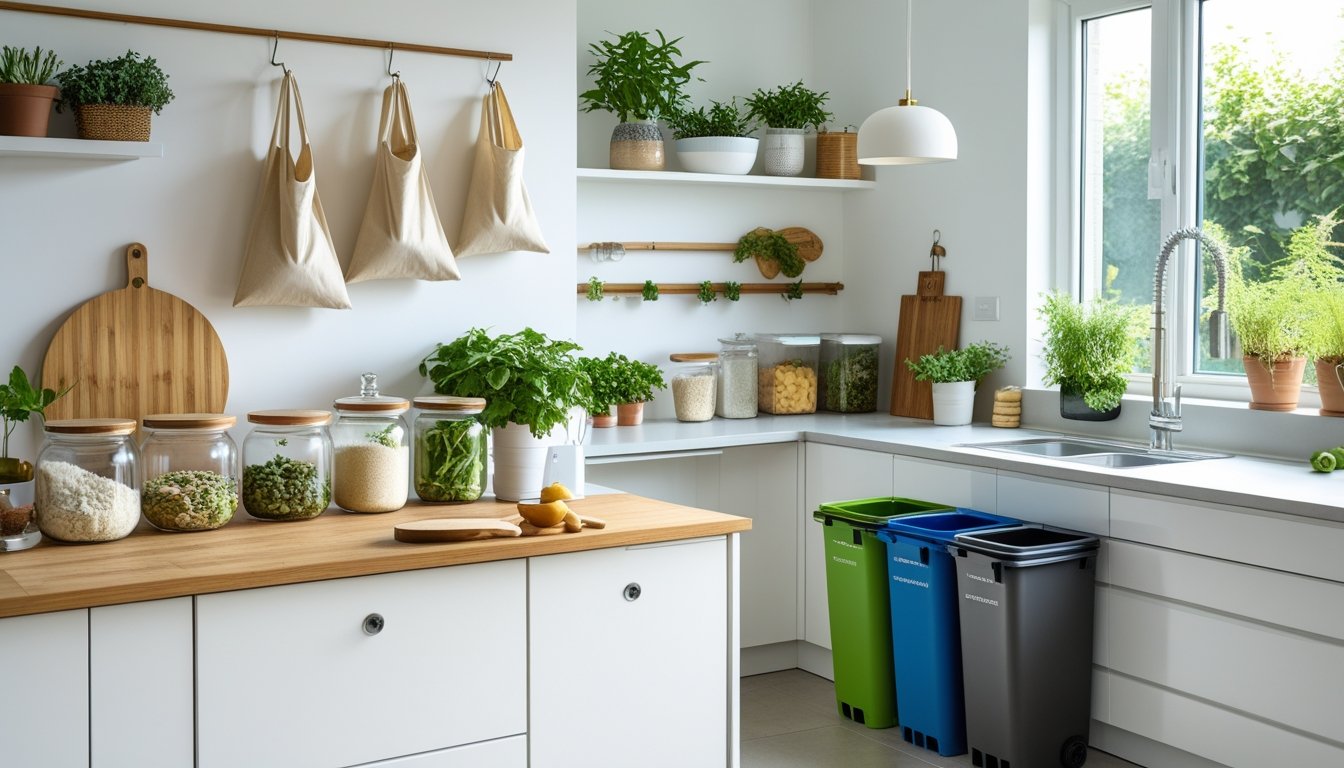
Our journey into circular living starts with simple changes like reducing single-use plastics and reusing materials. These actions reshape our consumption habits and foster a more mindful approach to resource use. Encouragingly, these efforts can create a ripple effect, inspiring others in our communities to adopt similar sustainable practices.
In exploring the theme of home sustainability, we highlight practical steps and advice for incorporating circular principles effectively. We aim to empower our readers to take concrete steps towards a more sustainable home, illustrating how individual actions contribute to broader environmental goals.
Key Takeaways
- Circular economy practices at home reduce waste and conserve resources.
- Small changes like reusing and recycling can transform consumption habits.
- Individual efforts can inspire wider community action for sustainability.
Core Principles of Circular Economy for Home Sustainability
By integrating circular economy practices at home, we can significantly reduce waste, promote sustainability, and conserve resources. This involves shifting from traditional, linear economy methods towards a more regenerative and efficient circular approach.
What Is the Circular Economy?
The circular economy is a framework for creating a more sustainable economic model by minimising waste and making the most of available resources. Unlike the conventional "take-make-waste" system, the circular approach aims to keep materials in use for as long as possible. This cycle is maintained through practices like recycling, reusing, and remanufacturing. The Ellen MacArthur Foundation highlights the importance of designing out waste and regenerating natural systems as foundational to this model. Emphasising a restorative and regenerative system, the circular economy supports environmental sustainability by keeping products and materials circulating at their highest value.
Circular Economy Versus the Linear Economy
In a linear economy, the flow of resources is straightforward: materials are extracted, used to make products, and then discarded as waste. This "take-make-waste" pattern leads to resource depletion and environmental harm. Conversely, the circular economy seeks to close the loop. It promotes a system where waste becomes an input for new processes, effectively turning by-products back into resources. Our homes can benefit greatly from this shift. By recycling, reusing items, and choosing products designed for longevity, we support a more sustainable lifestyle. This approach not only eases pressure on natural resources but also reduces household waste, aligning with the broader goals of the circular economy.
Key Principles: Reduce, Reuse, Recycle
The principles of reduce, reuse, and recycle form the core of the circular economy, especially in domestic settings. Reducing means cutting down on unnecessary consumption and selecting goods with minimal packaging. Reusing involves finding new purposes for items that might otherwise be thrown away, effectively extending their life cycle. Meanwhile, recycling focuses on processing used materials into new products. These practices help minimise waste and conserve resources. By embracing these principles, we contribute to a circular home environment. A focus on sustainable design can significantly amplify these efforts, encouraging more mindful living and resource preservation.
Circular Design and Product Life Cycles
Circular design plays a pivotal role in ensuring that products have extended lifespans and minimal environmental impact. It involves considering a product's entire life cycle—from sourcing materials to disposal—and designing with end-of-life options like remanufacture or recycle in mind. By prioritising circularity in design, we can ensure products are easier to repair, disassemble, and regenerate. Our choices, such as selecting products made from recyclable materials or purchasing items designed to be updated rather than replaced, can profoundly affect sustainability. Through circular design, homes can not only function more efficiently but also serve as models for larger societal shifts towards sustainability.
Practical Circular Economy Practices in the Home
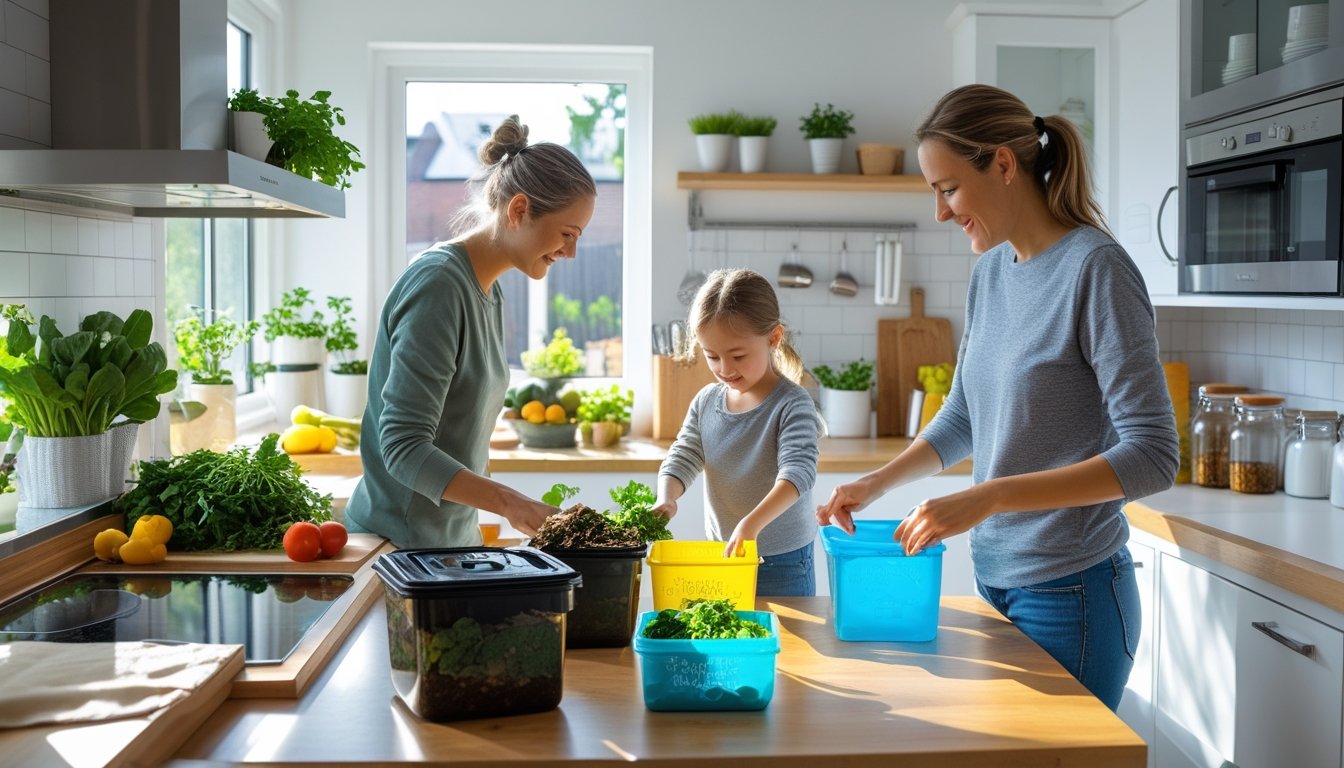
In our homes, adopting circular economy practices can greatly enhance sustainability. These practices focus on reducing waste, reusing and repurposing materials, effectively managing recycling processes, and tackling food waste through composting.
Reducing Household Waste and Single-Use Plastics
Reducing waste starts with assessing and minimising the use of single-use plastics. We can replace disposable products with reusable alternatives, like glass containers for storage and cloth napkins instead of paper. Adopting a zero-waste mindset encourages buying products with minimal packaging or those packaged in recyclable materials. Developing habits such as meal planning and efficient food storage not only minimises waste but also contributes to a lower carbon footprint. By thinking critically about our purchases and opting for durable goods, we further decrease the demand for disposable items.
Reusing, Repurposing, and Upcycling Everyday Items
Reusing and repurposing items can be both creative and practical. We should view everyday objects as opportunities for upcycling rather than discarding them. By creatively transforming old clothes into patches or turning jars into storage containers, we extend the life of these items. Repurposing wooden pallets into garden furniture or using old electronics for art projects are great examples of resourceful living. This approach reduces the demand for new materials and encourages a resource-efficient, sustainable lifestyle.
Effective Recycling and E-Waste Management
Effective recycling is crucial to maintaining a circular economy at home. We need to be diligent about sorting waste and disposing of it in the right recycling streams. Paper, glass, and metal should be separated to ensure they are recycled correctly. Electronic waste (e-waste), like old gadgets and batteries, requires specific disposal methods. Taking e-waste to authorised recycling centres prevents harmful chemicals from polluting the environment and allows the materials to be recovered and reused. Engaging in community recycling programmes also aids in spreading awareness and ensuring compliance with best recycling practices.
Composting and Tackling Food Waste
Composting is an effective method to reduce food waste and create nutrient-rich compost for our gardens. Setting up a basic composting system at home, whether in a garden or a small urban space, allows us to transform kitchen scraps into valuable resources. Fruit peels, coffee grounds, and vegetable scraps can be converted into compost, enriching our soil and supporting plant growth. By composting, we reduce the volume of organic waste sent to landfills and cut down on greenhouse gas emissions. Emphasising proper food storage techniques and meal planning further helps in decreasing food wastage, making our homes more sustainable and eco-friendly.
Frequently Asked Questions
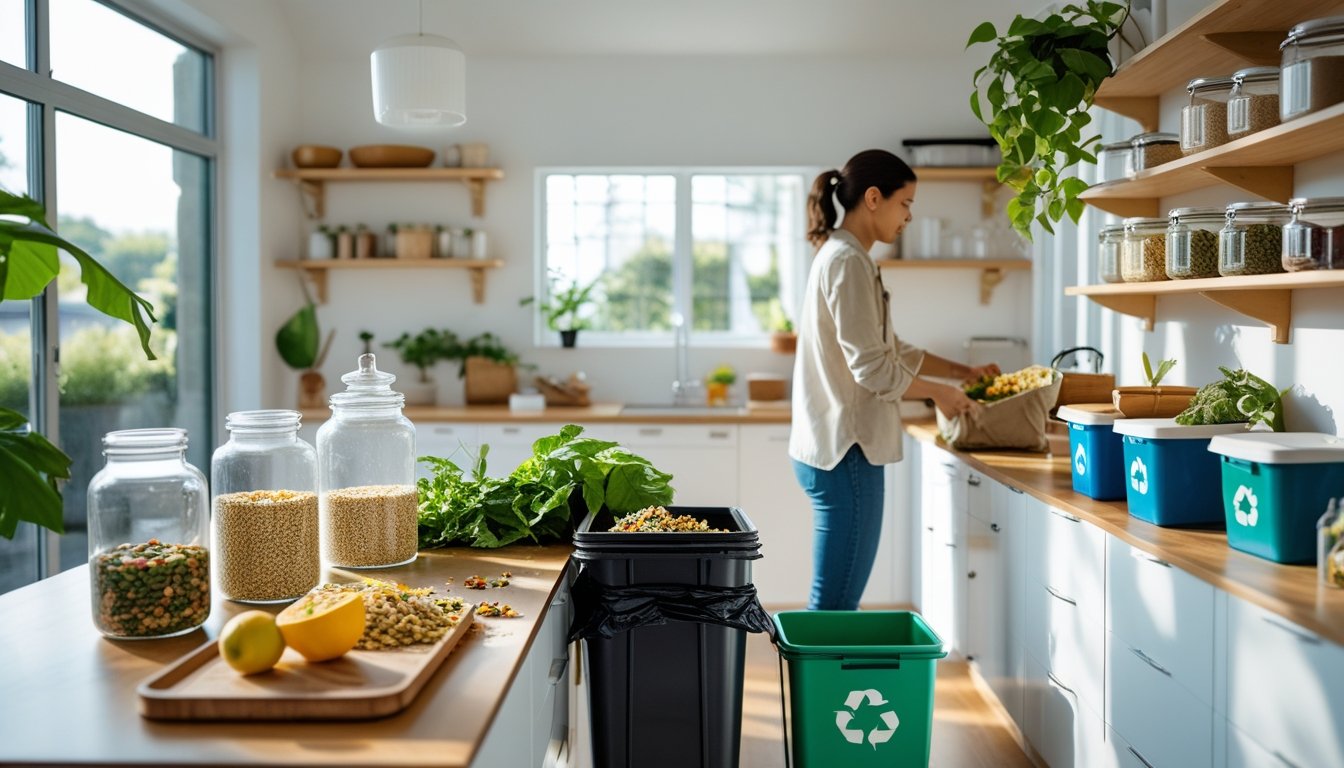
Our commitment to fostering a sustainable environment begins at home by integrating circular economy practices. These involve crucial actions like reducing waste, enhancing product longevity, and creating a sustainable loop of resource use. Let's explore these aspects further.
How can households effectively reduce waste through circular economy principles?
To reduce waste, households can focus on the classic three Rs: reducing, reusing, and recycling. Minimising single-use items and opting for products with minimal packaging helps significantly. Additionally, we can repurpose or donate items instead of discarding them.
What are the best strategies for promoting product longevity at home?
Product longevity is promoted by choosing durable, high-quality items. We should prioritise maintenance—regularly servicing appliances and repairing, rather than replacing, broken items. This approach not only prolongs utility but also conserves resources.
In what ways can homeowners contribute to a sustainable loop of resource use?
Homeowners contribute by embracing renewable resources and seeking energy efficiency in everyday activities. Adopting energy-efficient appliances and utilising natural light and ventilation are just a couple of strategies. Supporting companies committed to sustainable practices also enhances this loop.
What role does repairing and refurbishing play in a home's circular economy?
Repairing and refurbishing are pivotal activities that breathe new life into otherwise discarded items. By mending clothes, furniture, and electronic devices, we extend their life cycles and reduce the need for new purchases, leading to a more sustainable practice.
Can you suggest methods for efficiently recycling household items?
Efficient recycling requires awareness of local recycling programmes and guidelines. Segregating recyclable materials like paper, plastics, and metals for proper collection is essential. Understanding which items can be upcycled or require specialised recycling services also contributes greatly.
How do composting practices fit within the concept of a circular economy for domestic settings?
Composting transforms organic waste into nutrient-rich soil, closing the loop of waste disposal. By composting kitchen scraps and garden waste, we reduce landfill use and enrich our gardens sustainably. It's a simple yet impactful way to enhance home sustainability.