
Late updated: 19 Dec 2025 10:12
Written by: Sarah Hollister
Eco-Friendly Wedding Planning Tips: Sustainable Celebrations
Planning an eco-friendly wedding is a growing trend among couples looking to honour their love while minimising their environmental impact. Prioritising sustainability doesn't mean compromising on style or the magic of your special day. By focusing on sustainable choices, such as selecting eco-friendly venues and using locally sourced decor and wedding attire, we can ensure our celebration aligns with our values.
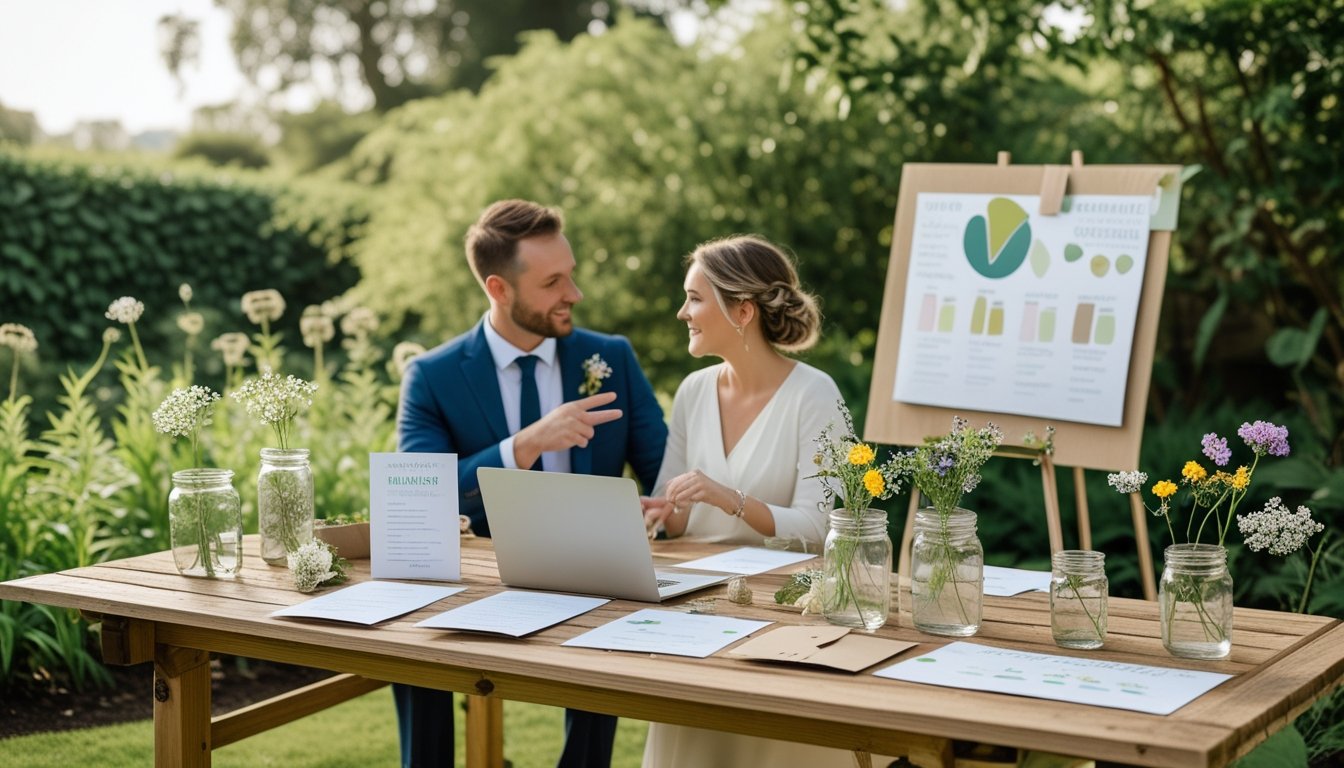
Our ecological footprint can be greatly reduced by opting for digital invitations, choosing ethically made wedding rings, and sourcing local, organic food for our reception. Beyond being kind to the Earth, these choices often add a unique and personal touch to our ceremonies, making them both memorable and meaningful. Exploring a multitude of eco-friendly wedding ideas not only results in a beautiful day but also sets a conscious example for guests.
The opportunity to turn our weddings into a sustainable celebration is an exciting prospect. With a little creativity and planning, we can host an unforgettable day that reflects not just our love, but our commitment to the planet, inspiring others to consider the broader impact of their events.
Key Takeaways
- Eco-friendly weddings blend sustainability with style.
- Digital invitations and local sourcing reduce ecological impact.
- Celebrating love sustainably creates lasting memories.
Fundamental Eco-Friendly Wedding Planning Choices
When planning a sustainable wedding, opting for an eco-friendly venue and making smart decisions about guest transportation help reduce the overall carbon footprint. Choosing vendors who prioritise ethical sourcing supports the economic sustainability of the event.
Selecting a Sustainable Wedding Venue
A sustainable wedding venue is more than just a pretty location; it's a critical part of our eco-conscious planning. Venues equipped with energy-efficient systems and those that prioritise waste reduction play a pivotal role in minimising environmental impact. Look for places with Energy Star ratings or those that incorporate renewable energy sources like solar panels.
For those considering a destination wedding, selecting a location that supports local environmental initiatives can amplify the positive impact. Some venues offer packages that include eco-friendly practices in their standard offerings, ensuring that we don’t have to sacrifice style for sustainability. Hosting an outdoor wedding in a natural setting not only provides a stunning backdrop but also often requires fewer decorations, which can lead to less waste.
Reducing Carbon Footprint with Smart Guest and Travel Decisions
Controlling the carbon footprint of our wedding extends beyond the choice of venue. Reducing travel emissions can be achieved by encouraging carpooling or providing shuttle transportation for guests. This not only reduces the number of vehicles on the road but also adds a unique communal experience for attendees.
Choosing a central location that's easily accessible by public transport is another smart way to minimise emissions. For guests travelling from afar, we might opt to offset their travel emissions through carbon offset programmes. By focusing on these aspects, we are creating a more sustainable and greener wedding celebration.
Eco-Conscious Vendor Selection and Ethical Sourcing
Choosing local vendors is a key strategy in eco-conscious wedding planning, as it often reduces transportation distances for goods and services. Supporting nearby businesses not only economic sustainability but also helps weave the region’s culture into our celebration. When it comes to catering, opting for menus filled with organic and locally-sourced ingredients is a win for both taste and the planet.
Ethical sourcing extends to attire and decor as well. We can consider attire made from sustainable fabrics or recycled materials. Decorators who use repurposed items or zero-waste principles in their designs should be prioritised. This makes the celebration not only beautiful and memorable but also kind to the earth.
Detailed Eco-Friendly Wedding Ideas and Solutions
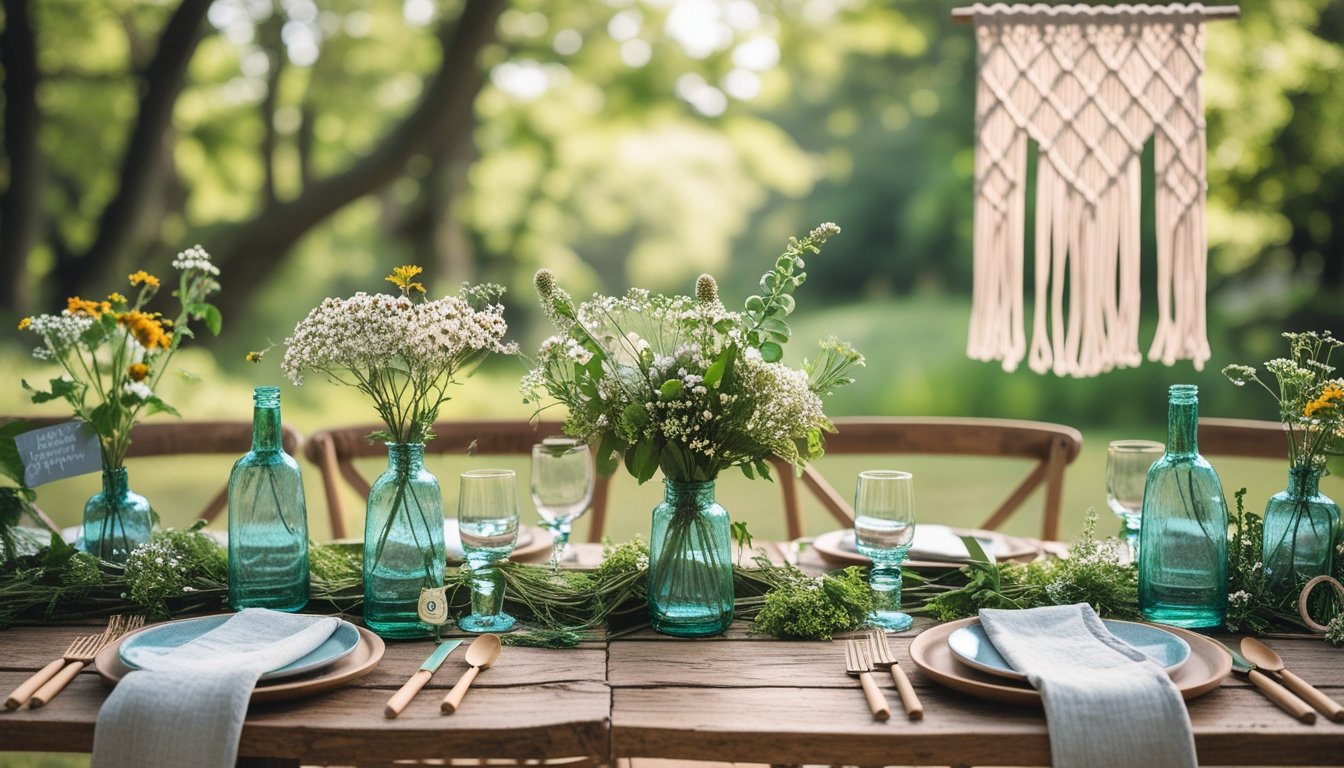
Planning an eco-friendly wedding requires carefully considering attire, invitations, decor, catering, and favours to minimise environmental impact. Let's explore each of these aspects, aiming for sustainability without sacrificing elegance.
Sustainable Attire and Accessories
Choosing attire is a significant step towards an eco-friendly wedding. We can opt for dresses made from sustainable materials like organic cotton or fabrics sourced from ethical designers. Vintage or second-hand wedding dresses are excellent choices too, reducing the demand for new materials. Accessories such as jewellery can be crafted from recycled gold or lab-grown diamonds, offering a stunning yet environmentally friendly alternative to traditional mining practices. Ensuring that the entire bridal party also considers sustainable attire can contribute to a holistic eco-friendly wedding theme.
Earth-Friendly Invitations and Stationery
Invitations are the first glimpse guests have into our wedding. To make this step eco-friendly, e-invites and digital RSVPs are excellent options, eliminating paper waste entirely. For those who prefer traditional invitations, using recycled paper or seed paper, which can be planted after use, offers an eco-friendly alternative. By choosing a stationery company that specialises in zero-waste practices, we can ensure our wedding communications remain sustainable. Additionally, considering minimalistic designs can reduce ink usage, benefiting the environment.
Waste-Reducing Decor and Floral Options
Decor is another area where we can make sustainable choices. Opting for reusable decor items, such as vintage tableware or rented chalkboards, helps reduce waste. For florals, locally sourced and seasonal flowers not only support local growers but also reduce the carbon footprint associated with transportation. Dried flowers and biodegradable confetti, such as dried flower petals, can replace fresh blooms and traditional confetti, respectively. An essential tip is to avoid floral foam, as it's non-biodegradable and harmful to marine life.
Ethical Food and Catering Choices
Food choices have a significant impact on the environment. By choosing a farm-to-table caterer, we ensure ingredients are sourced locally and sustainably. Offering plant-based meals or having grazing tables can further enhance the eco-friendly nature of the celebration. Collaborating with a caterer who provides biodegradable cutlery, bamboo plates, or reusable dishware minimises single-use plastic waste. Additionally, a sustainable wedding cake, perhaps made with organic ingredients, aligns perfectly with our eco-conscious theme.
Eco-Friendly Wedding Favours and Gifts
Choosing environmentally conscious favours for our guests is a wonderful way to extend our sustainable theme. Items made from recycled materials or those that encourage sustainability, such as small potted plants or reusable items, can serve as memorable keepsakes. Similarly, charities or donations in guests' names can be a heartfelt gesture. For bridal party gifts, options might include cruelty-free cosmetics or ethically sourced accessories. These thoughtful choices reflect our commitment to environmental stewardship and inspire our guests to consider similar practices.
Frequently Asked Questions
In the pursuit of planning a sustainable wedding, we can explore various ways to ensure our celebration has a lighter impact on the planet. From venue choices to guest logistics, these measures include reducing waste, selecting eco-conscious options, and promoting responsible practices.
How can couples reduce waste when planning their wedding?
Reducing waste is key. Consider using digital invites, reusable decor, and donating leftover food. Composting is a useful way to manage organic waste, and many venues offer recycling programmes.
What are the best ways to select sustainable food and catering options for a wedding?
Choose caterers that focus on local, seasonal, and organic ingredients. Plant-based menus can limit environmental impact, and leftover food can be donated to local shelters. We should also prioritise tableware that's either reusable or compostable.
Could you suggest some eco-conscious alternatives to traditional wedding invitations?
Digital invitations and RSVPs significantly reduce paper waste. Recycled paper or plantable seed paper, which guests can use to grow flowers, are also excellent choices for printed materials.
What should be considered when choosing an environmentally friendly wedding venue?
Venues with eco-certifications demonstrate a commitment to sustainability. Look for those that utilise renewable energy, have good waste management systems, and are accessible by public transport.
How can wedding attire be made more sustainable for the bridal party?
Opting for vintage or second-hand attire reduces the demand for new resources. Renting outfits or selecting designers who follow sustainable practices can also minimise our ecological footprint.
What are effective strategies for minimising the carbon footprint of guests travelling to a wedding?
Encourage carpooling and provide transport options to reduce emissions. Consider hosting the ceremony and reception in the same location to minimise travel. Offering virtual attendance options for distant guests can also decrease overall travel-related emissions.