
Late updated: 29 Dec 2025 09:12
Written by: Sarah Hollister
Eco-Friendly Tips For Sustainable Window Insulation: Effective Strategies And Benefits
In the quest for a more sustainable future, window insulation has become a pivotal focus for homeowners keen to reduce energy consumption. By implementing eco-friendly window insulation techniques, we can significantly reduce our home's carbon footprint while enhancing energy efficiency. This approach not only conserves energy but also brings down energy bills, offering a sustainable solution everyone can benefit from.
From utilising recycled or sustainably sourced materials to innovative DIY projects, the world of eco-conscious window insulation is rich with opportunity. By exploring these options, we can make informed choices that align with our environmental values and enhance home comfort. These methods are designed to minimise environmental impact without compromising on insulation effectiveness.
Exploring these sustainable insulation options allows us to play an active role in conservation efforts. Our choices reflect a commitment to reducing our environmental impact while enhancing the liveability of our homes. Let's delve into the practical solutions and discover how we can transform our windows into models of sustainability.
Key Takeaways
- Sustainable insulation reduces carbon footprint effectively.
- Various eco-friendly materials enhance window efficiency.
- Cost-effective solutions align with environmental values.
Fundamentals Of Eco-Friendly Window Insulation
By optimising window insulation, we can significantly enhance energy efficiency and minimise environmental impact. Key aspects include reducing heat loss, understanding thermal performance, and utilising sustainable materials for window frames.
How Window Insulation Reduces Heat Loss
Window insulation plays a crucial role in maintaining indoor temperatures. Poorly insulated windows allow heat to escape, leading to increased energy consumption as heating systems work harder to maintain a comfortable environment. By implementing effective insulation techniques, such as double-glazing or thermal curtains, we can reduce heat loss significantly. This not only conserves energy but also leads to lower energy bills. Advanced materials, like low-emissivity (Low-E) coatings, further enhance insulation by reflecting heat back into the room. Each measure contributes to a more sustainable and eco-friendly home by minimising the energy needed for heating.
Principles Of Thermal Performance And U-Value
The thermal performance of windows is primarily quantified by the U-value, a metric indicating the rate of heat transfer. Lower U-values correspond to better insulation, meaning less heat is lost through the window. It's essential to select windows with lower U-values for optimal energy efficiency. Materials and technologies like argon gas between glazing layers also help in achieving lower U-values. This metric allows us to compare different window insulation options efficiently, guiding us to make informed decisions that support sustainable living. Understanding these principles enables us to choose insulation solutions that balance performance with environmental considerations.
Window Frames And The Role Of Sustainable Materials
The choice of window frames significantly impacts the eco-friendliness of window insulation. Sustainable materials such as recycled aluminium, sustainably sourced wood, and composite frames are excellent options. Recycled aluminium provides durability and can be fully recycled at the end of its life, while sustainably sourced wood offers excellent thermal performance and a minimal carbon footprint. Composite materials combine the benefits of multiple substances, providing robust insulation and longevity. The right frame choice not only enhances thermal insulation but also reduces the environmental impact of manufacturing and disposing of window components. Thus, sustainable frames are a vital part of eco-friendly window insulation strategies.
Essential Sustainable Window Insulation Solutions
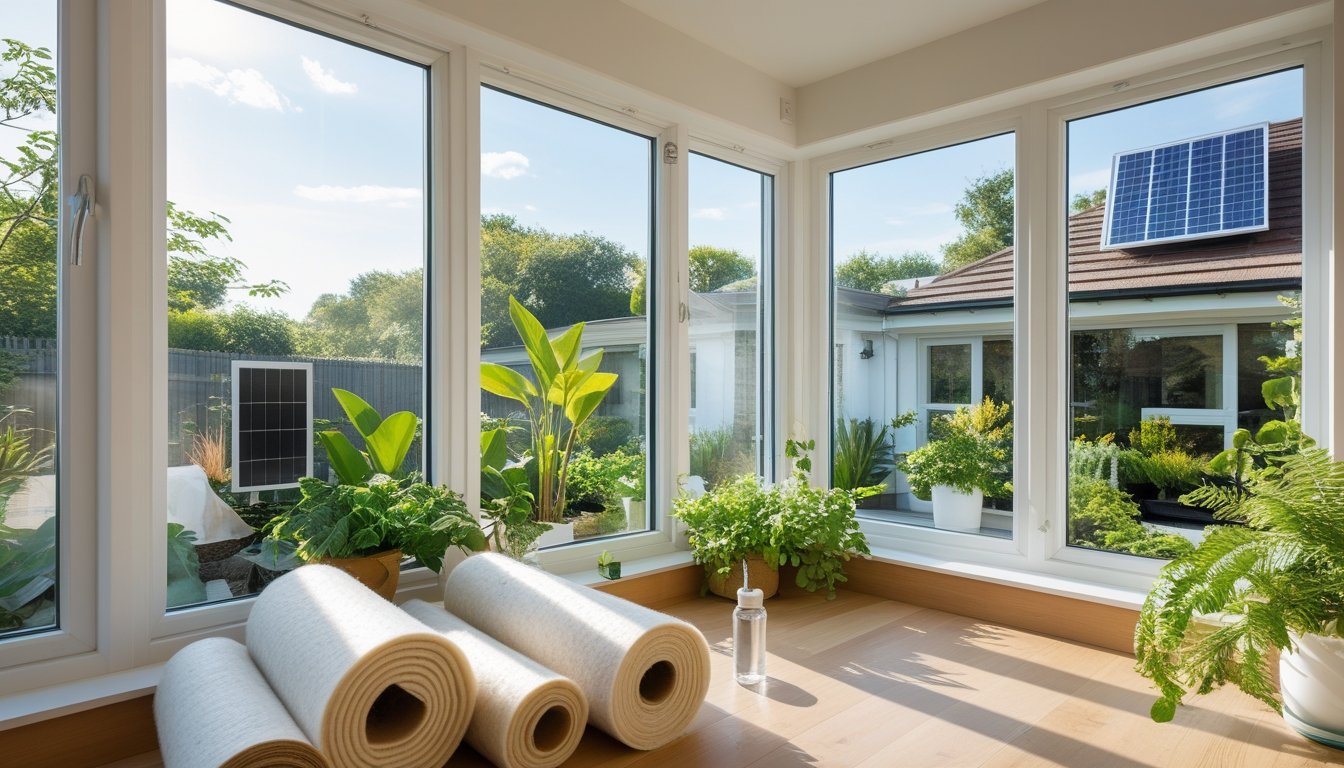
Creating a sustainable home environment requires effective window insulation solutions. These methods not only reduce energy costs but also minimise our ecological footprint by incorporating eco-friendly insulation materials.
Double And Triple Glazing
Double and triple glazing are undoubtedly effective for insulating windows. The concept involves two or three panes of glass separated by air or an inert gas such as argon, which serves as an insulative barrier. This reduces heat loss, keeps homes warmer in winter, and cooler during summer months. Double glazing is suitable for most climates, while triple glazing provides added insulation for colder regions. Eco-friendly glass options can further enhance sustainability by offering recycled glass products. For those seeking to upgrade to double or triple glazing, it's vital to use frameworks made from sustainable materials and hire trusted professionals to ensure correct installation.
Thermal Curtains And Natural Alternatives
Thermal curtains are a straightforward way to enhance window insulation, thanks to their heavy fabric or specifically designed thermal linings. They trap heat inside during colder months and block heat from entering in warmer seasons. To maximise sustainability, choosing curtains made from organic or recycled materials is crucial. Alternatives such as wool panels or bamboo blinds can also provide natural insulation. These materials can complement additional insulation methods like glazing. Regular maintenance such as cleaning and checking for wear ensures their continued effectiveness. Using them in combination with other methods further enhances energy efficiency.
Air Sealing, Caulking And Weatherstripping
Air sealing through caulking and weatherstripping is essential for preventing drafts that undermine insulation efforts. Caulking fills gaps around stationary window components, while weatherstripping seals movable parts like sashes and doors. Choosing products with negligible VOC emissions contributes to an eco-friendly home. This method is cost-effective and can be performed as a DIY project using high-quality materials. Regularly checking the seals for wear ensures they remain in good condition and perform effectively over time. Keeping a home well-sealed not only improves comfort but also increases the efficiency of other insulation solutions.
Innovative Secondary Glazing And Films
Secondary glazing involves installing an additional pane alongside existing windows to create an insulating air gap. This is a more budget-friendly alternative to double glazing and is particularly effective in period homes where replacing original windows is not permissible. Secondary glazing films are a temporary, cost-effective solution but may lack the durability of traditional secondary glazing. These films can be applied quickly and easily, making them a viable option for renters or those on a tighter budget. When opting for secondary glazing or films, it is important to consider their sustainability credentials, opting wherever possible for recyclable materials.
Frequently Asked Questions
Sustainable window insulation is a vital aspect of making our homes more eco-friendly. We explore various natural insulators, alternative techniques to plastic films, and the role of different materials and methods in augmenting window insulation efficiency.
What are the most effective natural insulators for windows?
Natural insulators like wool panels and cork are lauded for their thermal properties. They provide excellent insulation by reducing heat transfer, thereby improving energy efficiency. These options are not only sustainable but also versatile and can be tailored to different window types.
How can one improve window insulation without using plastic films?
For those looking to avoid plastic, options such as cellular shades and draft stoppers can be effective. Cellular shades trap air within their honeycomb structure, offering superior insulation. Draft stoppers can be applied to gaps and seams to minimise heat loss.
What role does window caulking play in sustainable insulation?
Window caulking is crucial in sealing gaps and seams around windows, preventing air leakage. By reducing drafts, it helps maintain a stable indoor temperature, contributing to energy efficiency. Proper caulking with eco-friendly materials is an important step in sustainable window insulation.
Can heavy curtains significantly enhance window insulation?
Heavy curtains can play a significant role in enhancing window insulation. They act as barriers to heat transfer, reducing energy loss during cold months and blocking excess heat during warmer periods. Opting for insulated curtains further maximises their efficiency.
What are the benefits of using thermal window films in sustainable insulation?
Thermal window films can significantly reduce heat gain and loss through windows. They offer UV protection, reducing fading of interior furnishings, while improving overall energy efficiency. Their easy installation and transparent nature make them a popular choice for maintaining aesthetics.
How does installing double glazing compare to other green insulation methods?
Double glazing involves two glass panes with a gap for insulation, considerably reducing heat loss. Its effectiveness is comparable to other eco-friendly options, offering superior thermal performance. While the initial investment can be high, the long-term energy savings often justify the cost.