
Late updated: 05 Dec 2025 11:12
Written by: Sarah Hollister
Eco-Friendly Furniture Upcycling Techniques: Sustainable Home Solutions
Embarking on a journey to upcycle furniture offers a creative outlet and boosts our efforts towards sustainability. Upcycling allows us to transform worn-out pieces into vibrant treasures that both refresh our spaces and honour the planet. Eco-friendly furniture upcycling techniques provide a brilliant way to minimise waste and breathe new life into forgotten items.
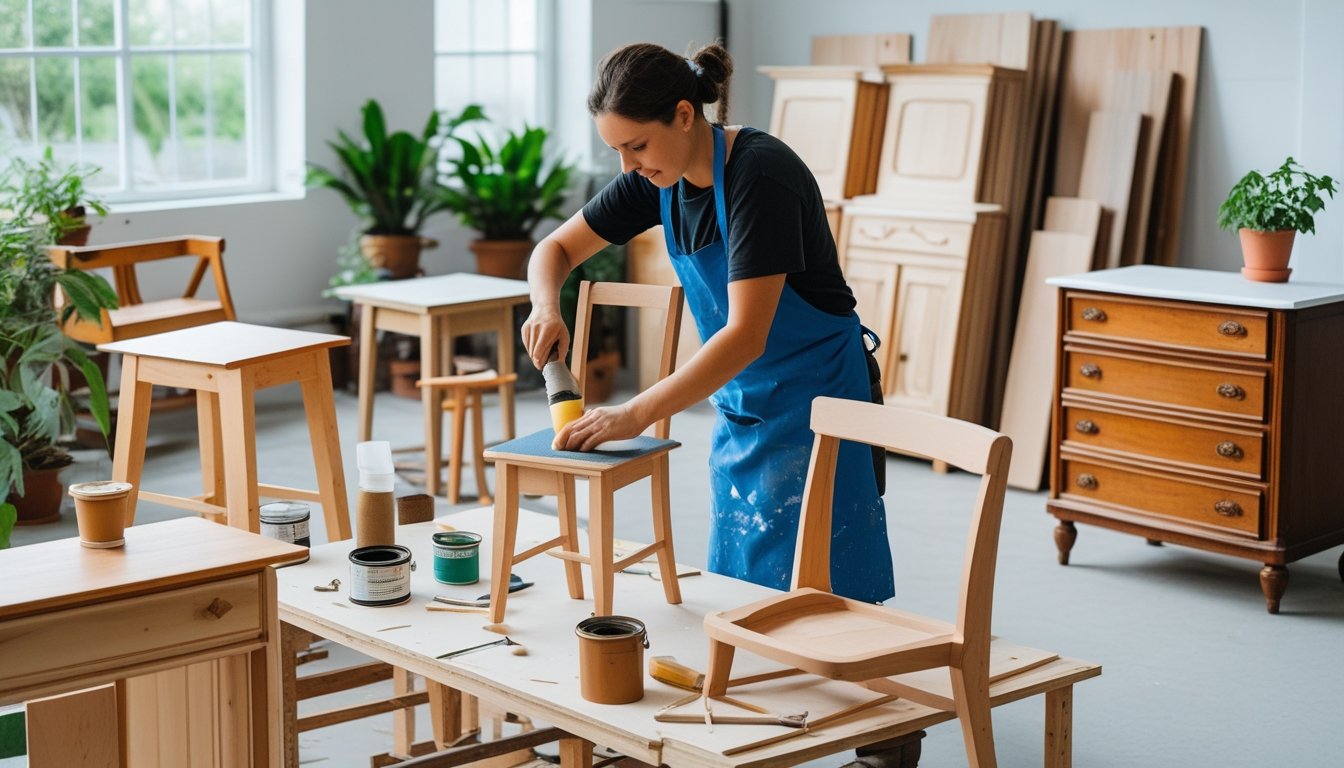
By focusing on eco-friendly methods, we can actively contribute to reducing landfill waste and conserving resources. Whether we're jazzing up a thrifted find or revamping an old family staple, these techniques promise not only an aesthetic transformation but an environmental one. The blend of imagination, sustainability, and practicality keeps us engaged and inspired.
As we dive deep into these upcycling techniques, we’ll uncover essential strategies and the best tools for crafting beautiful works of art from worn-out furniture. Alongside practical advice, we’ll tackle common queries and share tips to ensure our upcycling projects are both effective and enjoyable.
Key Takeaways
- Learn essential eco-friendly techniques for upcycling furniture.
- Discover practical tools and best practices for successful upcycling.
- Find answers to common furniture upcycling questions.
Core Eco-Friendly Furniture Upcycling Techniques
Upcycling furniture involves a series of creative and eco-conscious methods that breathe new life into old pieces. By focusing on core techniques, we can transform outdated or discarded furniture into unique, sustainable works of art using eco-friendly materials and practices.
Fundamental Steps for Transforming Old Furniture
The first step in upcycling furniture involves careful planning and preparation. Identifying suitable pieces that have a solid structure, such as those made from quality materials like wood, is crucial. We must start by thoroughly cleaning the furniture to remove dirt and grime, ensuring a clean surface for further work. Stripping old paint or finish is often necessary to allow for a fresh application of desired finishes. Disassembling the furniture might be needed to repair or replace any damaged parts.
Next, we assess what changes are necessary to suit our design vision. This could involve adding new features or changing the piece’s function altogether, like turning an old cabinet into a stylish drinks bar. We also need to test joints and hinges, using tools like wood filler to repair any imperfections. The ultimate goal is to create a piece that is both functional and visually appealing.
Eco-Friendly Materials and Sustainable Sourcing
Materials play a significant role in the sustainability of any upcycling project. Reclaimed wood is a popular choice due to its character and minimal environmental impact since it reduces the demand for new timber. Using wood filler allows us to fill gaps and smooth surfaces, extending the life of existing wood without the need for replacements.
We recommend sourcing materials from local suppliers to reduce transport emissions. Eco-friendly paints such as chalk paint and milk paint are excellent choices, offering a non-toxic and easily workable option with a matte finish. For adhesives, consider soy-based or water-based products, which are less harmful to the environment than synthetic alternatives.
Safe Painting and Finishing Methods
Applying finishes safely and sustainably is crucial in transforming furniture. Non-toxic paint options like chalk, milk, and acrylic paints offer various finishes and colours, allowing us to achieve the desired aesthetic without compromising air quality. These paints are particularly easy to use and clean, reducing the need for harsh cleaning agents.
When finishing, consider using natural oils or waxes that protect the wood while enhancing its natural beauty. These products are often free from harmful chemicals, making them safe for both our environment and our health. To ensure durability, apply several thin coats of finishes, allowing appropriate drying time between applications.
Popular Upcycling Ideas for Distinctive Furniture
For those seeking creativity, upcycling offers endless opportunities to customise and personalise furniture. One popular method is to repaint or reupholster pieces to fit modern interiors. Upcycling techniques like decoupage and mosaic can transform bland surfaces into vibrant, eye-catching art.
Incorporating non-traditional materials like metal or fabric can add unique textures. Repurposing furniture to create different items altogether, such as turning an old door into a dining table, offers an innovative way to extend the life of materials. Creative upcycling projects allow us to express our style while embracing sustainability, making the pieces truly one of a kind.
Tools, Preparation, and Best Practices for Furniture Upcycling
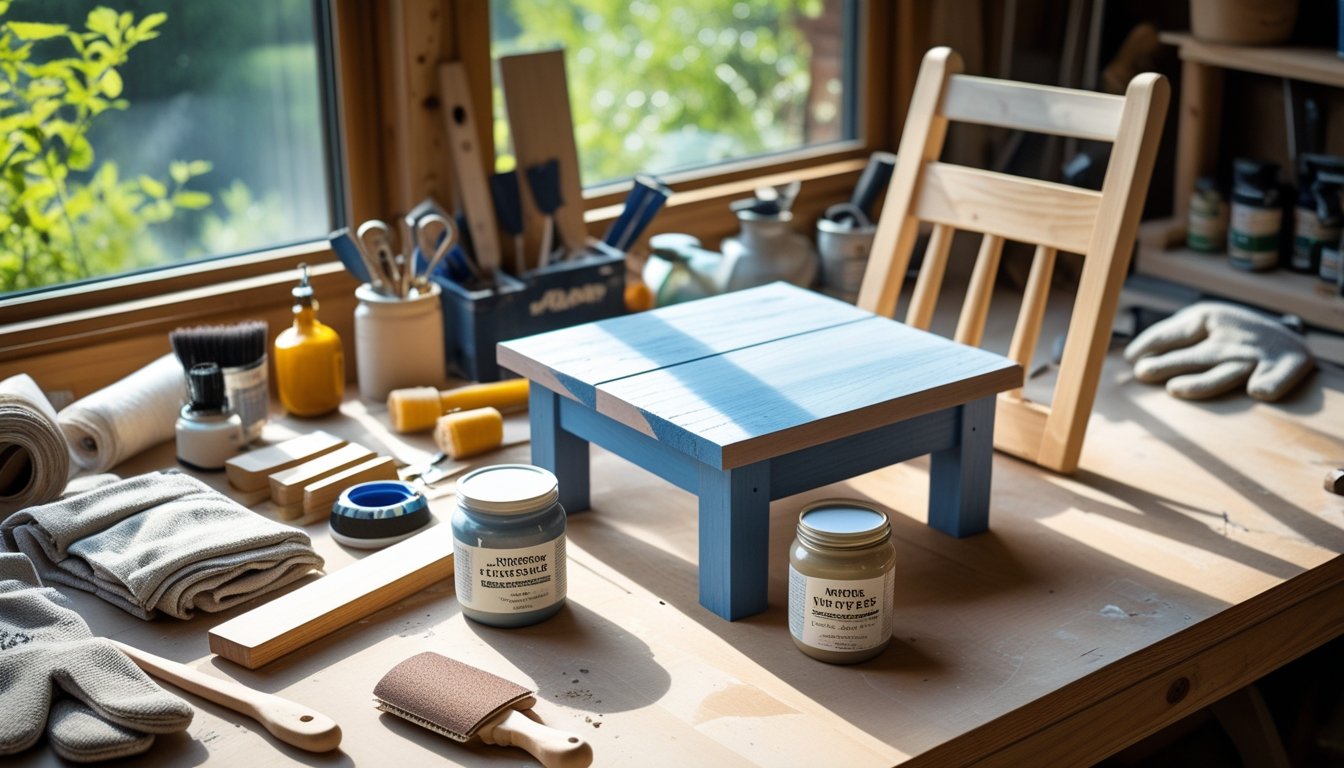
When embarking on furniture upcycling projects, evaluating the condition of old furniture is crucial. Gathering the correct equipment and setting up a workspace are essential steps in the upcycling process. Additionally, thorough preparation of surfaces ensures a successful transformation.
Assessing the Suitability of Old Furniture
We begin by examining whether the old furniture is worth upcycling. Inspect the structural integrity, looking for signs of damage such as cracks or weak joints which might need repairing. Materials like solid wood are generally more durable and easier to work with than certain composites. Another aspect to consider is the furniture's size and design, ensuring it fits the desired transformation vision. This step prevents embarking on an impractical project.
Understanding the presence of hazardous materials, such as lead-based paints, is also vital. Conduct tests, or consult experts if in doubt, to ensure safety during the upcycling process. Such diligence helps us avoid health risks and legal issues, ensuring a safe and successful upcycling experience.
Essential Equipment and Workspace Setup
Essential tools for furniture upcycling include hand drills, sanders, paintbrushes, and cordless nail guns. These assist us in repairing and transforming pieces satisfactorily. Having a diverse assortment of sandpaper grits prepares furniture surfaces effectively for new finishes.
Create a workspace conducive to these tasks. A well-lit, ventilated area keeps us safe from fumes and allows for a thorough job. Having easy access to electrical outlets is crucial for power tools. Organising our tools systematically ensures we can focus on creativity without unnecessary interruptions.
Preparation, Cleaning, and Repair Techniques
Cleaning is an indispensable first step. We remove dirt and residues by using mild soapy water, ensuring not to saturate the wood. Once cleaned, we allow the furniture to dry completely before proceeding with repairs.
Addressing existing damage is crucial for ensuring longevity. For filling in dents or cracks, we use wood filler, allowing us to restore a smooth finish. Sanding follows, a key preparation step to eliminate imperfections and create a receptive surface for paint or stain. In some cases, priming may be necessary to ensure the best adhesive quality for subsequent finishes. These preparations set the foundation for striking upcycled furniture transformations.
Frequently Asked Questions
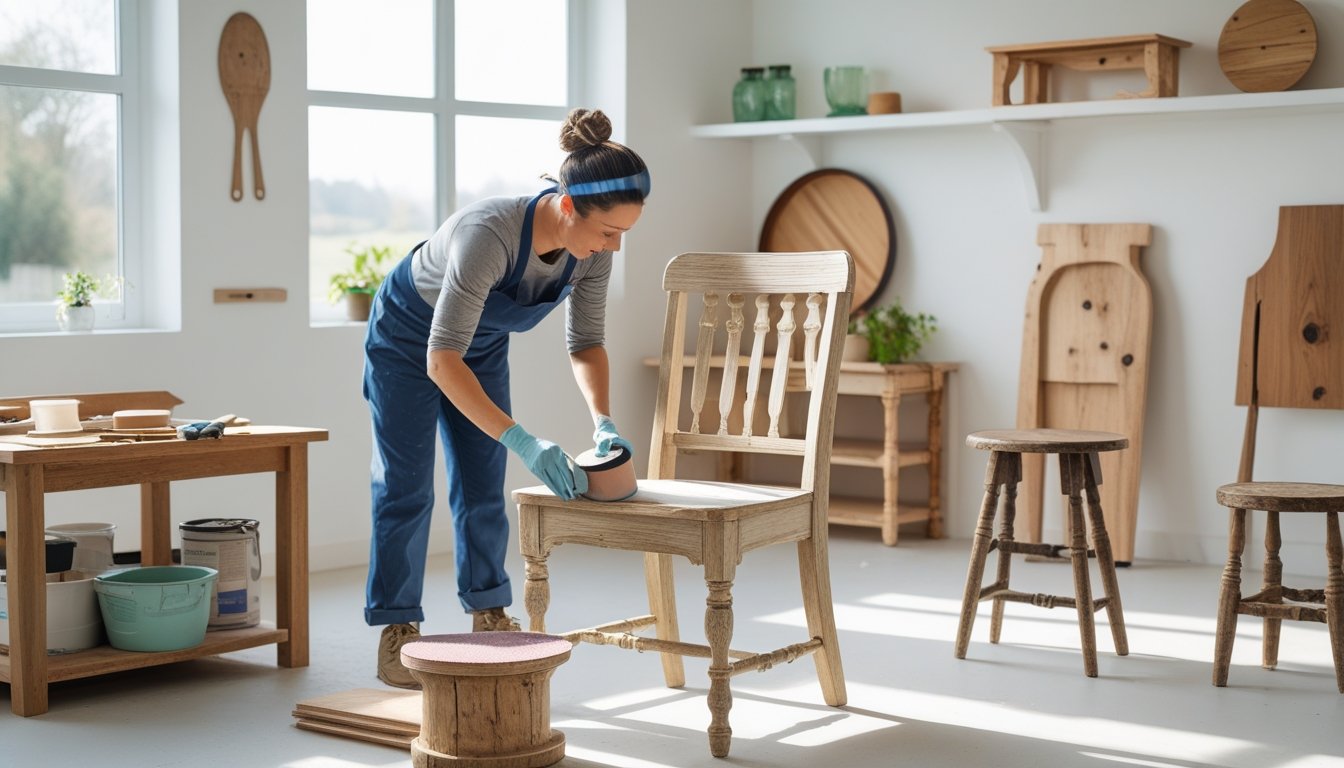
When embarking on upcycling projects, it's essential to consider various techniques and materials to achieve both aesthetics and sustainability. Addressing common queries helps illuminate best practices and innovative approaches for eco-friendly upcycling.
What are the most effective methods for stripping and preparing furniture before upcycling?
Stripping furniture is often best done with chemical strippers that are gentle on the material, avoiding harsh options that can damage wood fibres. Sanding using fine-grit sandpaper ensures smooth surfaces ready for upcycling. For preparation, thorough cleaning to remove dirt and oils is crucial for optimal paint or finish adhesion.
Can you suggest eco-friendly paints and finishes suitable for furniture restoration?
Choosing eco-friendly paints and finishes is key in reducing our carbon footprint. Look for paints with low or zero volatile organic compounds (VOCs). Natural paints, made from plant oils or milk protein, are excellent options. Similarly, water-based polyurethane or natural wax finishes offer protection while being environmentally conscious.
How can one repurpose old furniture into practical garden features?
Old furniture can be creatively transformed into garden elements. For instance, a dresser can be repurposed into a tiered planter by removing drawers. Solid wood doors become functional tabletops. Treat with weather-resistant finishes to protect these pieces from the elements while adding charm to outdoor spaces.
What steps should be taken to ensure upcycled furniture is durable and long-lasting?
Durability begins with selecting quality materials. Reinforce joints with wood glue and screws for stability. Applying a protective finish helps shield against wear and environmental damage. Regular maintenance, such as dusting and reapplication of finishes, will prolong the life of the upcycled items.
Could you provide guidance on sourcing sustainable materials for furniture upcycling?
Sourcing sustainable materials involves a bit of research. We recommend visiting salvage yards or thrift shops for pieces needing a second life. Online marketplaces can also connect us to reclaimed wood or repurposed hardware. Opt for materials with sustainability certifications where possible.
What are innovative ways to incorporate upcycled items into modern interior design?
Modern design thrives on unique statement pieces. Upcycled furniture can be integrated as focal points, such as a refashioned industrial spool as a coffee table. Mixing different textures and styles provides depth. Emphasising sustainability, these pieces often serve as conversation starters in our living spaces.