
Late updated: 07 Dec 2025 13:12
Written by: Sarah Hollister
Eco-Friendly Crafting Techniques For Kids: Creative and Sustainable Fun
Introducing eco-friendly crafting techniques for kids is a brilliant way to combine creativity with environmental responsibility. In today's world, fostering a sense of environmental awareness in children is more important than ever. By engaging kids in crafts that utilise recycled materials and natural resources, we not only encourage their creativity but also instil sustainable habits. These activities teach children the value of resource conservation and the impact of reducing waste on our planet.
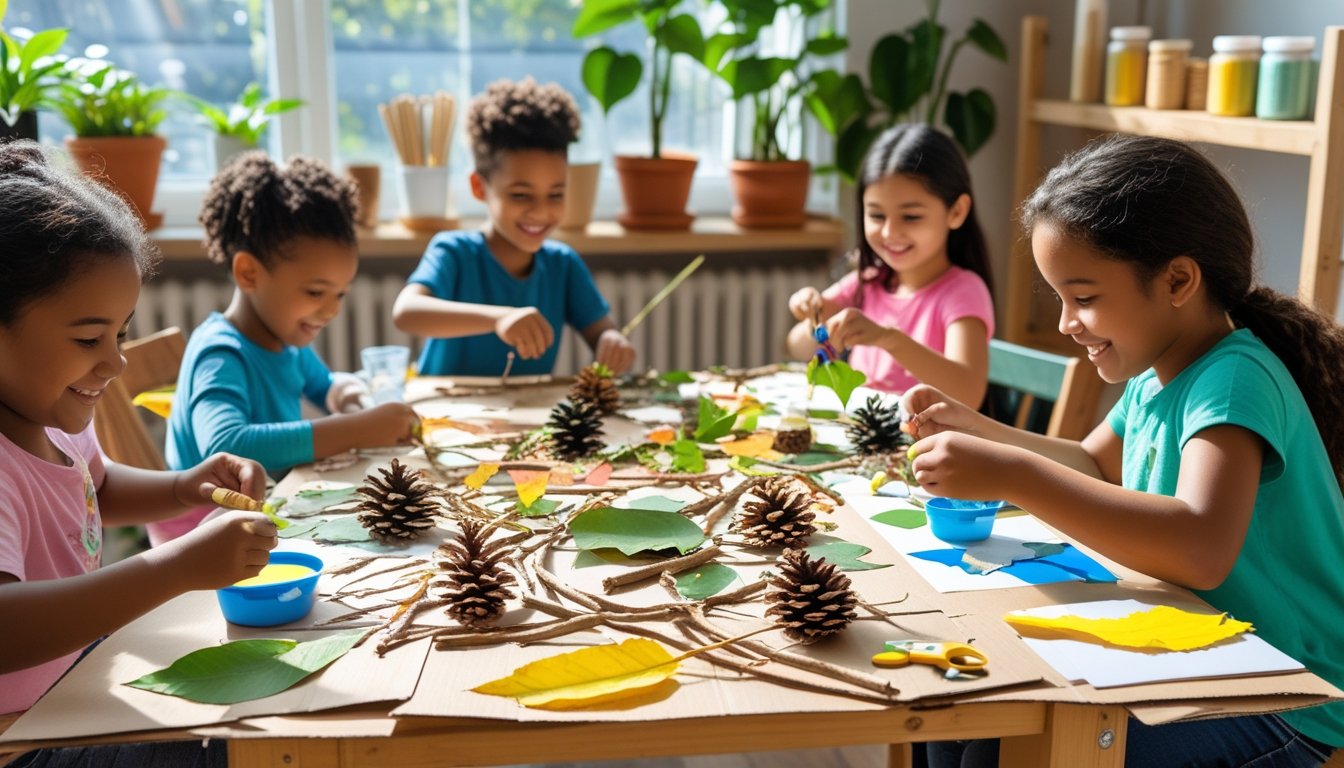
Let's explore various eco-crafting techniques that transform everyday items into exciting projects. This approach is designed to inspire the next generation to care for the Earth through creative expression. Our hands-on projects include crafting with paper rolls, creating planters out of old bottles, and many other innovative ideas. Kids love seeing the potential in objects normally considered waste, offering them a fresh perspective on recycling and reusing.
As we dive into these activities, we'll provide practical tips and projects that can easily be implemented at home or in educational settings. Our focus will be on engaging children with fun, sustainable projects that they can enjoy and learn from. By adopting these techniques, we're setting the groundwork for a greener future, teaching children to cherish and preserve our environment.
Key Takeaways
- Eco-friendly crafting inspires creativity and environmental awareness.
- Hands-on projects use recycled materials for sustainable fun.
- These activities foster a long-term commitment to resource conservation.
Core Eco-Friendly Crafting Techniques for Kids
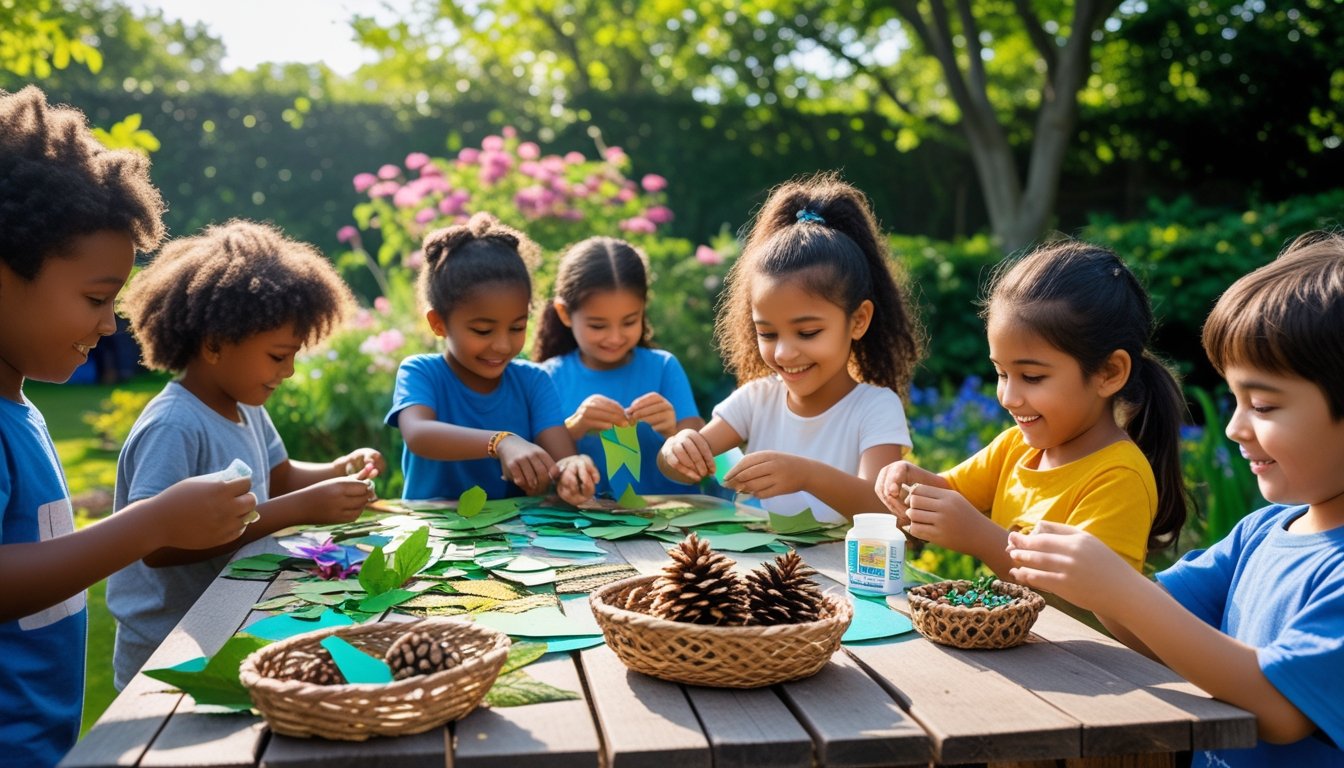
As we foster creativity in children, it's crucial that we instil eco-friendly practices. Focusing on sustainable crafting methods, we explore the selection of eco-conscious supplies, the art of reusing materials, and the transformation of everyday objects.
Choosing Sustainable Craft Supplies
Selecting the right craft supplies is the cornerstone of green crafting. Our aim is to choose materials that minimise environmental impact and encourage sustainable habits. We should look for products made from renewable resources or those that are biodegradable. For instance, opting for natural dyes instead of synthetic ones reduces harmful chemical use. Recycled paper offers a great alternative to new paper, which saves trees and reduces waste. Soy-based crayons, safer and more environmentally friendly than traditional wax, can be a great addition to craft kits. In some cases, supporting local suppliers to cut down on the carbon footprint from transport is another effective method. By choosing sustainable materials, we lay the foundation for teaching children about responsibility towards our planet.
Using Recycled Materials for Creative Projects
Recycled materials offer endless opportunities for creative expression while teaching children valuable lessons about recycling and conservation. Encouraging children to craft using items like cardboard, plastic bottles, and old newspapers turns potential waste into art. Egg cartons become organisers, while plastic caps can morph into a colourful mosaic. Creating seed bombs out of shredded paper and wildflower seeds not only recycles materials but also contributes positively to nature. These projects not only stimulate imagination but also instil a deeper sense of environmental consciousness. By reimagining everyday waste as craft supplies, we foster a sense of guardianship over resources and reduce our overall waste footprint.
Upcycling Everyday Items into New Crafts
Upcycling transforms disposable items into useful or decorative products with greater value, encouraging resourcefulness and creativity. It's a practice that goes beyond mere recycling by adding aesthetic or functional value. With upcycling, a glass jar can evolve into a decorative lantern or a storage container. Old clothing can be turned into new fabric crafts, such as patches or plush toys. The process teaches children the art of repurposing materials they might otherwise discard, driving home lessons on sustainability. This not only reduces waste but also provides a fun, practical approach to craftsmanship. Through upcycling, we nurture an inventive mindset, reminding children that innovation often lies just beyond what meets the eye.
Hands-On Eco Projects and Inspiration
Engaging children in eco-friendly crafting not only sparks their creativity but also instils important values about sustainability. Through innovative projects like making beads from recycled paper and using natural materials, we can teach them the significance of recycling and reducing waste.
Recycled Paper Beads and Jewellery Making
Making jewellery from recycled paper is a fantastic way to teach children about repurposing materials. We start by selecting old magazines, newspapers, or any colourful paper scraps. Cutting the paper into strips, we then roll each strip tightly around a skewer or toothpick, sealing the end with glue. Once dry, these beads can be strung into necklaces or bracelets. This activity not only enhances fine motor skills but also offers a creative outlet for personal expression. The durability of these beads can be improved by painting or coating them with a clear, eco-friendly varnish. This project is an excellent reminder of how often-overlooked materials can be transformed into something new and beautiful.
Crafting Plastic Bottle Planters
Plastic bottle planters turn waste into a gardening opportunity, effectively teaching children about reusing materials. We guide kids in cutting plastic bottles in half, creating a space for planting. Drilling small holes in the base allows for drainage, essential for plant health. Kids can decorate the outside with paints or stickers, adding a personal touch. Providing soil and seeds allows them to plant flowers or small herbs, watching nature come to life. This not only reuses materials but also promotes an understanding of plant care. As the plants grow, kids can learn about the importance of a healthy environment, making this craft a gateway to sustainability education.
Natural Materials in Nature-Inspired Crafts
Utilising natural materials in crafts connects children closely with nature. We encourage collecting materials like twigs, leaves, stones, and flowers. Projects such as creating collages, mobiles, or even simple sculptures from these elements stimulate creativity. By using what nature offers us, children develop a deeper respect for the environment. These crafts can be seasonal, reflecting changes and encouraging observation. Another exciting idea is to make natural dyes from plants for use in these projects. Integrating such materials into crafts promotes a sustainable mindset, highlighting the abundance and beauty of our natural world.
Creative Ways to Reduce Craft Waste
Minimising waste in crafting is crucial for sustainability. We begin by planning projects to ensure material efficiency and opting for multi-purpose supplies. Encouraging children to think of alternative uses for scraps fosters creativity. For instance, using leftover fabric for patchwork art or scraps of paper for mosaics. Setting up a recycling station for craft materials is another practical step. Each piece that might be discarded can find a new purpose, inspiring inventive thinking. Additionally, choosing non-toxic, biodegradable materials when possible supports a healthier approach to crafting. By modelling these practices, we instil the value of environmental responsibility in our children.
Frequently Asked Questions
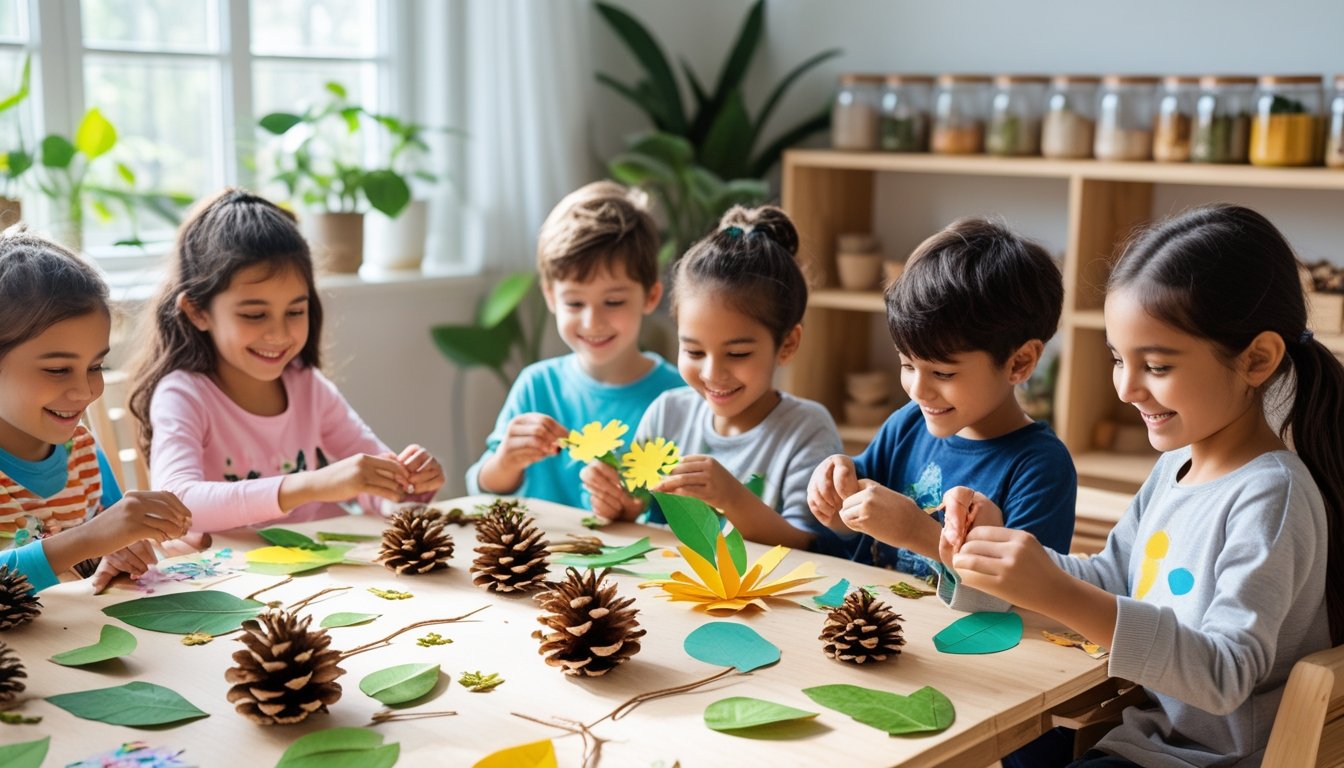
Engaging children in eco-friendly crafts not only stimulates their creativity but also teaches them significant values about sustainability. In this section, we address common queries on implementing green crafting techniques for kids, using safe materials, teaching environmental responsibility, and more.
What are some safe and natural materials that children can use for creating environmentally-friendly crafts?
Natural materials are excellent for eco-friendly crafts. Items like leaves, twigs, and stones can be gathered from nature, providing a direct link to the outdoors. Recycled paper, cardboard, and fabrics such as cotton or wool also serve as safe options. Additionally, non-toxic paints and natural adhesives can make crafting sessions worry-free.
How can we teach children the importance of sustainability through craft activities?
Crafting offers a practical way to introduce sustainability concepts. By encouraging the use of recycled materials, we can demonstrate the significance of resource conservation. Discussing the origin of materials and their environmental impact helps children understand larger ecological concepts. We can foster discussions about what happens to waste and the importance of reusing items.
What are the best methods for repurposing household items into craft projects for children?
Repurposing household items is both educational and resourceful. Empty containers, like jars and bottles, can be transformed into plant holders or musical instruments. Old magazines can be cut into collages or used in paper mache projects. By engaging children in brainstorming sessions on how to upcycle items, we enhance their creativity and resourcefulness.
Could you suggest any eco-conscious craft ideas suitable for primary school-aged children?
Several crafts balance creativity with environmental consciousness. Simple projects might include making bird feeders from pine cones or creating seed bombs using clay and seeds for future planting. These activities not only entertain but also offer lessons about wildlife and ecosystems. Creating art from pressed flowers or leaves provides another simple, nature-focused experience.
How can we incorporate lessons about reducing waste into crafting activities for kids?
In every craft project, we have the chance to discuss waste reduction. We can encourage children to think critically about how much material they really need and to use available resources efficiently. Emphasising minimal waste and teaching techniques such as composting biodegradable scraps can extend the impact of crafting far beyond the art itself.
Are there any specific techniques to ensure crafting with kids is both fun and green?
Making crafting sessions fun and green is achievable with a few techniques. Setting challenges, like using only non-plastic items, adds excitement. Interactive story-telling where children narrate the journey of recycled materials cultivates imagination. Incorporating games that relate to what they've crafted keeps learning engaging. Through playful interactions, important lessons about sustainability naturally unfold.